


Now Reading: Coney Island’s fishing history
-
01
Coney Island’s fishing history


Hey everyone, welcome back to *Brooklyn Echoes*, the podcast that keeps the borough’s legends and memories alive. I’m your host, Robert Henriksen.
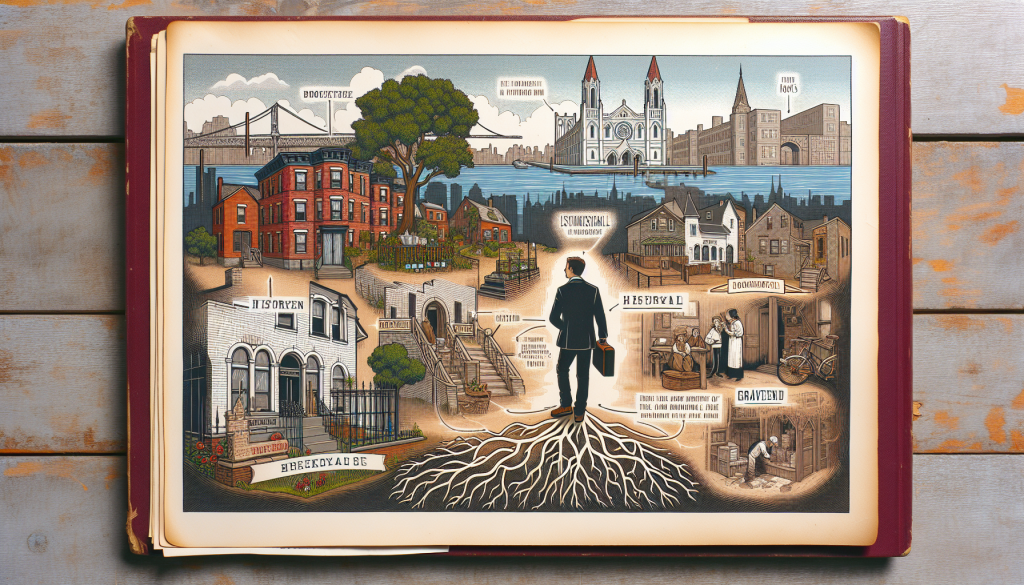
Coney Island, a iconic peninsula in southern Brooklyn (originally an island), has a fishing history deeply intertwined with its natural landscape, evolving from indigenous and early colonial sustenance practices to a recreational pursuit amid urban development and environmental changes. Below, I’ll outline the key phases, drawing on historical accounts, with a focus on significant sites like Coney Island Creek and Steeplechase Pier.
### Pre-Colonial and Early Colonial Era (Pre-1600s to 1800s)
The area’s fishing roots trace back to the Lenape Native Americans, who utilized the abundant salt marshes, clam beds, and waterways for hunting and gathering seafood. When Europeans arrived—Henry Hudson sighted the desolate, dune-filled sands in 1609—Coney Island was part of the colonial town of Gravesend and remained a remote barrier island shaped by storms and tides. Coney Island Creek (originally Gravesend Creek), a small, unnavigable inlet ending near modern Cropsey Avenue, was central to early fishing, supporting species like clams, fish, and crabs in its estuary ecosystem. In the 17th century, settlers dug the creek into a straight channel connecting Sheepshead Bay to Gravesend Bay, officially making Coney Island an island and enhancing access for small-scale fishing. By the early 1800s, the creek’s salt marshes were renowned as some of NYC’s best fishing grounds, attracting locals for sustenance and early recreational angling.
### 19th Century Development and Peak Fishing (1800s to Early 1900s)
Fishing boomed as the area gained accessibility. Ferry service began in 1845 with steamboats like the Iolas docking at the western tip, drawing visitors to the pristine creek and marshes for angling. In the 1840s, developments like a ferry dock, dance pavilion, and hotel at Norton’s Point marked the shift toward tourism, but fishing remained a draw. The creek supported commercial and recreational catches, with talk of widening it into a shipping canal (though never realized after NYC’s 1898 consolidation). By the mid-19th century, as Coney Island became a seaside resort, fishing coexisted with emerging amusements. Rail lines connected it to Brooklyn, boosting visits, but from the 1890s, pollution from nearby Brooklyn Borough Gas leeched into the creek, marking the start of environmental decline.
### 20th Century Changes and Decline (1900s to Mid-Century)
Urbanization accelerated, transforming the fishing landscape. Around 1910, large properties were subdivided, and illegal filling of creek sections turned Coney Island into a peninsula by connecting it to the mainland via Mermaid and Neptune Avenues on former mudflats. This reduced marshy fishing habitats as the area prioritized neighborhoods like Sea Gate and Brighton Beach. By the 1920s-1930s, piers like Steeplechase Pier became key fishing spots, where anglers gathered for fluke, stripers, porgies, and bluefish—a practice continuing from a century prior. In the 1950s, further creek filling for Shore Parkway (Belt Parkway) left only inlets at either end, exacerbating pollution from industrial sludge and debris (including ghost ships and a stranded yellow submarine from a 1960s salvage attempt). Fishing shifted to informal sales in nearby areas, with loose regulations allowing catches to be sold fresh on streets, though community challenges like urban decay impacted the scene.
### Modern Era and Legacy (Late 20th Century to Present)
By the 1970s-1980s, fishing persisted recreationally on piers and jetties, with locals using drop lines, bamboo poles, or rods for species like flounder and bass, often from spots like the Coney Island Pier or rock jetties. Stricter regulations emerged, including size limits (e.g., releasing undersized flukes) and inspections, while community traditions like sharing catches or memorializing deceased anglers with roses tossed into the water endured. Oral histories from Steeplechase Pier highlight lifelong locals like Harry Delgado and “Stretch,” who describe the pier as a social hub for fishing since childhood, blending relaxation with practical catches amid post-Hurricane Sandy remnants. Today, despite pollution making the creek unsafe for major activity (with dormant toxins in sludge), fishing continues as a cultural tie to the past, with life persevering—gulls nesting on wrecks and crabs in the submarine—symbolizing resilience. Preservation efforts, like those by the Coney Island History Project, document this heritage through interviews and exhibits.
Overall, Coney Island’s fishing history reflects a transition from a natural haven to a developed icon, where angling now serves as a nostalgic link to its watery origins amid amusement parks and beaches. For more, explore resources like the Coney Island History Project or Underwater New York. If you’re interested in current fishing spots or regulations, let me know!
If you like this podcast, Check out our new Brooklyn Echo’s Audio podcast at The Brooklyn Hall of Fame were we have been recording episodes to stream at your favorite streaming services like Apple or Spotify.





Related Posts


Stay Informed With the Latest & Most Important News
Previous Post
Next Post






Advertisement


-
 01A Journey Through the Life of Gene Tierney
 -
 02Peter Criss: The Beat Behind KISS
 -
 03A Comprehensive Look at Barry Manilow’s Brooklyn Roots
 -
 04Famous Writers from Brooklyn, New York
 -
 05A Look Back at the 1977 Brooklyn Blackout: Causes and Impacts
 -
 06A Comprehensive Look at Edie Falco’s Inspiring Journey
 -
 07A Deep Dive into Debra Messing’s Life and Career