
Now Reading: Paul-and-Richard-Sylbert-Pioneers in cinematic design
-
01
Paul-and-Richard-Sylbert-Pioneers in cinematic design

Paul-and-Richard-Sylbert-Pioneers in cinematic design


Innovations in film set design have played a crucial role in shaping the visual storytelling of cinema. During the early days of Hollywood, art directors were tasked with transforming imaginative concepts into tangible environments that could captivate audiences. The evolution of set design has been marked by groundbreaking techniques and creative visionaries who pushed the boundaries of what was possible on screen.
One significant period of innovation occurred in the mid-20th century, where the integration of new materials and technologies allowed for more dynamic and realistic sets. This era saw the rise of influential designers who introduced novel approaches to set construction and aesthetics. Their work not only enhanced the narrative experience but also set new standards for the industry.
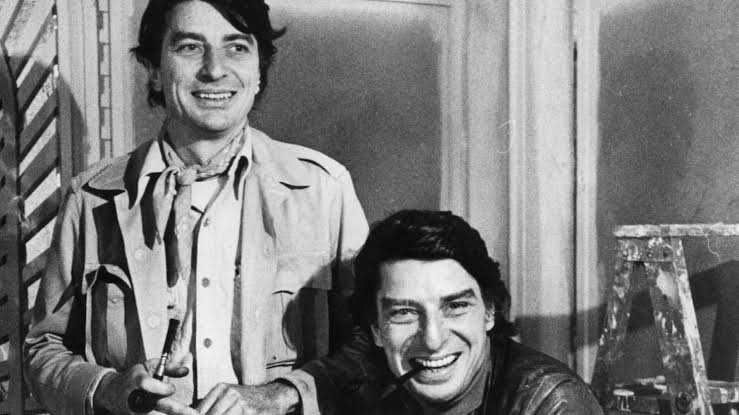
Among these pioneers were twin brothers who emerged from Brooklyn, bringing a fresh perspective to cinematic design. Their unique approach to set creation involved a meticulous attention to detail and a deep understanding of how space and architecture could influence storytelling. Their contributions helped to redefine the role of art directors in the filmmaking process, emphasizing the importance of collaboration between directors, designers, and other creative departments.
The legacy of these innovations continues to inspire contemporary filmmakers, who build upon the foundations laid by their predecessors. As technology advances, the possibilities for set design expand, allowing for even more immersive and imaginative cinematic experiences. The impact of these early innovators is evident in the continued evolution of film set design, which remains a vital component of the art of filmmaking.
influential designers and their impact
In the realm of cinematic design, certain individuals have left an indelible mark through their visionary work and innovative approaches. Among these influential figures, the contributions of Cedric Gibbons stand out. As one of the most prolific art directors in Hollywood, Gibbons was instrumental in shaping the visual language of the Golden Age of cinema. His work on films such as “The Wizard of Oz” and “Singin’ in the Rain” showcased his ability to create fantastical worlds that captivated audiences and set a high standard for set design.
Another notable designer, Edith Head, revolutionized costume design with her keen eye for detail and understanding of character development through attire. Her collaborations with directors like Alfred Hitchcock resulted in iconic looks that not only enhanced the narrative but also influenced fashion trends beyond the silver screen. Head’s impact on the industry was recognized with eight Academy Awards, making her one of the most celebrated costume designers in film history.
The twin brothers from Brooklyn, who emerged as key figures in the mid-20th century, also played a pivotal role in advancing cinematic design. Their innovative use of space and architecture brought a new dimension to storytelling, allowing filmmakers to explore more complex narratives. Their work exemplified the importance of collaboration between art directors and other creative departments, ensuring that every element of a film contributed to a cohesive and engaging visual experience.
These designers, among others, have left a lasting legacy that continues to influence contemporary filmmakers. Their pioneering efforts not only transformed the aesthetics of cinema but also elevated the role of design in the filmmaking process. As a result, the impact of these trailblazers is still felt today, inspiring new generations of designers to push the boundaries of what is possible in the world of film.

Related Posts

Stay Informed With the Latest & Most Important News
Previous Post
Next Post







Advertisement


-
 01The multifaceted career of Danny Winchell in the entertainment industry
-
 02Neil Sedaka’s Timeless Legacy Endures
-
 03John franco the history of his brooklyn and gravesend roots
-
 04New BrooklynEchoes.com Trivia Page
-
 05The History of Aida Turturro, Actress Born in Brooklyn,NY
-
 06The Rise of Alfred C. Drake in Theater and Music
-
 07The Early Career of James Van Patten and His Rise to Fame