
Now Reading: Bobby’s Girl Star Marcie Blane: A Look Back at Her Life and Legacy
-
01
Bobby’s Girl Star Marcie Blane: A Look Back at Her Life and Legacy


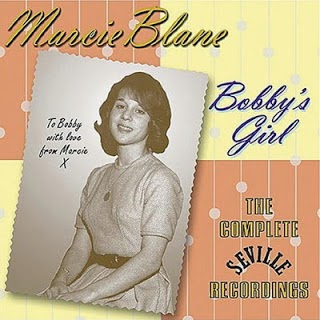

Marcie Blane, an American pop singer born in 1944, first captured the public’s attention with her hit single “Bobby’s Girl.” Growing up in Brooklyn, Blane was immersed in a vibrant cultural scene that nurtured her musical talents from a young age. Her rise to fame was swift, as “Bobby’s Girl” quickly climbed the charts, becoming a defining track of the early 1960s. The song resonated with audiences, particularly young women, who found its themes of love and longing relatable. Blane’s success with “Bobby’s Girl” established her as a prominent figure in the music industry, and she became a symbol of the era’s pop culture. Her early career was marked by this rapid ascent, as she transitioned from a local talent to a national sensation, leaving an indelible mark on the music legacy of the time.
lasting impact and legacy
Marcie Blane’s impact on the music industry extends far beyond her brief period of fame in the early 1960s. Although her career in the limelight was short-lived, the legacy of “Bobby’s Girl” has endured through the decades, continuing to influence artists and resonate with new generations of listeners. As an American pop singer who emerged from Brooklyn, Blane’s contribution to the music legacy of the era is undeniable. Her ability to capture the spirit of youthful innocence and romantic yearning in her music set a precedent for future pop artists, who have drawn inspiration from her style and thematic approach. The timeless appeal of “Bobby’s Girl” has ensured that Blane’s name remains synonymous with the vibrant pop culture of the 1960s. Moreover, her story serves as a reminder of the fleeting yet powerful nature of pop stardom, highlighting how a single song can leave a lasting imprint on the cultural landscape. Despite stepping away from the music scene, Marcie Blane’s influence continues to be felt, as her work is celebrated in retrospectives and compilations that honor the golden age of pop music.

Related Posts
Stay Informed With the Latest & Most Important News
Previous Post
Next Post







Advertisement


-
 01The multifaceted career of Danny Winchell in the entertainment industry
-
 02Neil Sedaka’s Timeless Legacy Endures
-
 03John franco the history of his brooklyn and gravesend roots
-
 04New BrooklynEchoes.com Trivia Page
-
 05The History of Aida Turturro, Actress Born in Brooklyn,NY
-
 06The Rise of Alfred C. Drake in Theater and Music
-
 07The Early Career of James Van Patten and His Rise to Fame