Now Reading: The Musical Legacy of Lanie Kazan, A Brooklyn Native
-
01
The Musical Legacy of Lanie Kazan, A Brooklyn Native


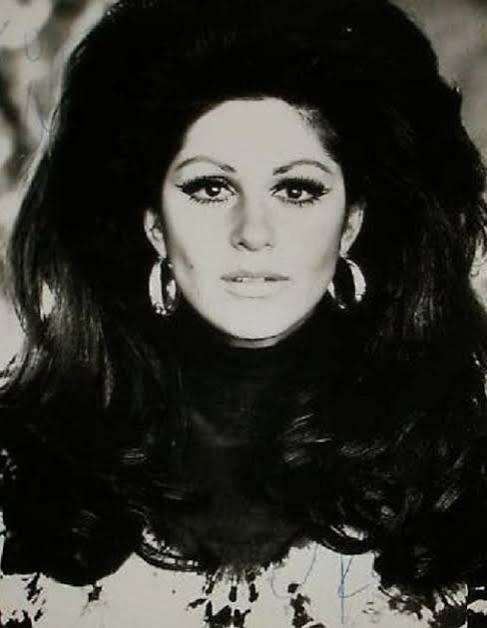

Lanie Kazan’s early influences were deeply rooted in her Brooklyn upbringing, where the vibrant cultural tapestry of the city played a significant role in shaping her artistic sensibilities. Growing up in a neighborhood rich with diverse musical traditions, Kazan was exposed to a wide array of sounds and styles that would later inform her unique approach to performance. Her parents, Carole Levine and Ben Levine, were instrumental in nurturing her budding talent, encouraging her to explore her passion for music from a young age. This familial support, combined with the dynamic environment of Brooklyn, provided Kazan with a solid foundation upon which she would build her illustrious career as a singer and performer. Surrounded by the sounds of jazz, classical music, and the burgeoning pop scene, Kazan absorbed these influences, which would later be reflected in her versatile and emotive vocal performances. Her early experiences in Brooklyn not only honed her musical abilities but also instilled in her a deep appreciation for the power of music to connect and inspire people from all walks of life.
Broadway and beyond: Kazan’s impact on musical theater
Lanie Kazan’s journey from the vibrant streets of Brooklyn to the dazzling lights of Broadway is a testament to her remarkable talent and resilience. Her impact on musical theater is both profound and enduring, as she brought a unique blend of charisma, vocal prowess, and emotional depth to every role she undertook. Kazan’s Broadway debut came with the production of “The Happiest Girl in the World,” where her performance garnered critical acclaim and set the stage for a series of notable roles that would define her career. Her ability to convey complex emotions through song and her dynamic stage presence quickly made her a sought-after performer in the theater world.
One of Kazan’s most iconic roles was in the musical “Funny Girl,” where she served as the understudy for Barbra Streisand. When Kazan finally took the stage, she captivated audiences with her powerful voice and compelling interpretation of the character, proving that she was not just a replacement but a star in her own right. Her performances were marked by a deep understanding of the music and a commitment to bringing authenticity to her characters, qualities that resonated with audiences and critics alike.
Beyond her work on stage, Kazan’s influence extended into the broader realm of musical theater. She became a mentor to aspiring performers, sharing her knowledge and passion for the craft. Her dedication to nurturing new talent and her contributions to the art form have left an indelible mark on the industry. Kazan’s legacy in musical theater is characterized by her ability to transcend traditional boundaries, infusing each performance with a blend of humor, pathos, and an unmistakable Brooklyn flair that continues to inspire generations of performers.

Related Posts
Stay Informed With the Latest & Most Important News
Previous Post
Next Post




Advertisement


-
 01The multifaceted career of Danny Winchell in the entertainment industry
-
 02Neil Sedaka’s Timeless Legacy Endures
-
 03John franco the history of his brooklyn and gravesend roots
-
 04New BrooklynEchoes.com Trivia Page
-
 05The History of Aida Turturro, Actress Born in Brooklyn,NY
-
 06The Rise of Alfred C. Drake in Theater and Music
-
 07The Early Career of James Van Patten and His Rise to Fame