Now Reading: The Legacy of Lucille Fletcher in Screenwriting
-
01
The Legacy of Lucille Fletcher in Screenwriting

The Legacy of Lucille Fletcher in Screenwriting

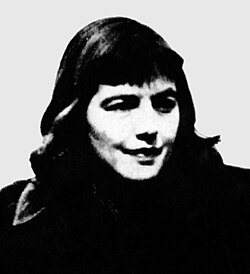

Lucille Fletcher, born in 1912 in Brooklyn, made significant contributions to both radio and film, leaving a lasting legacy in the realm of screenwriting. Her work in radio drama is particularly noteworthy, with her most famous piece, “Sorry, Wrong Number,” becoming a quintessential example of suspenseful storytelling. This radio play, which later adapted into a successful film, showcased Fletcher’s ability to create tension and intrigue through dialogue and sound, influencing the way stories were told in both mediums.
Fletcher’s screenwriting prowess extended beyond radio, as she skillfully transitioned into film, crafting narratives that captivated audiences. Her ability to weave complex plots with rich character development set a standard for future screenwriters. By blending elements of mystery and psychological drama, Fletcher’s work resonated with audiences and critics alike, cementing her place in the annals of screenwriting history.
The impact of Fletcher’s contributions is evident in the way modern screenwriters approach storytelling, particularly in the thriller and suspense genres. Her innovative use of sound and dialogue in radio plays laid the groundwork for techniques still employed in today’s cinematic narratives. Lucille Fletcher’s legacy continues to inspire and influence new generations of writers, ensuring her place as a pivotal figure in the evolution of screenwriting.
influence on modern screenwriting
Lucille Fletcher’s legacy in screenwriting is profoundly felt in the techniques and approaches adopted by modern writers, particularly within the thriller and suspense genres. Her pioneering work demonstrated the power of sound and dialogue, elements that are now integral to creating tension and atmosphere in film and television. Fletcher’s ability to craft intricate plots with psychological depth has influenced contemporary screenwriters to explore complex character motivations and layered narratives.
Her innovative storytelling methods have been echoed in the works of many acclaimed screenwriters who seek to evoke similar suspense and emotional engagement. The use of non-linear narratives, unreliable narrators, and the blending of genres can be traced back to Fletcher’s groundbreaking style. By pushing the boundaries of traditional storytelling, she opened avenues for more experimental and immersive forms of screenwriting.
Moreover, Fletcher’s emphasis on character-driven stories has encouraged modern writers to focus on developing nuanced characters whose personal journeys drive the plot forward. This shift has led to more dynamic and relatable narratives that resonate with audiences on a deeper level. Her influence is also evident in the way screenwriters today utilize sound design to enhance the storytelling experience, a testament to her foresight in recognizing the potential of auditory elements in narrative construction.
As screenwriting continues to evolve, Lucille Fletcher’s contributions remain a cornerstone, inspiring writers to innovate and challenge the conventions of storytelling. Her work from the early 20th century, originating from her roots in Brooklyn in 1912, continues to shape the landscape of modern screenwriting, ensuring her legacy endures in the fabric of cinematic and narrative arts.

Related Posts
Stay Informed With the Latest & Most Important News
Previous Post
Next Post





Advertisement


-
 01The multifaceted career of Danny Winchell in the entertainment industry
-
 02Neil Sedaka’s Timeless Legacy Endures
-
 03John franco the history of his brooklyn and gravesend roots
-
 04New BrooklynEchoes.com Trivia Page
-
 05The History of Aida Turturro, Actress Born in Brooklyn,NY
-
 06The Rise of Alfred C. Drake in Theater and Music
-
 07The Early Career of James Van Patten and His Rise to Fame