



Now Reading: The Journey of Jon Bauman from Brooklyn to Sha Na Na
-
01
The Journey of Jon Bauman from Brooklyn to Sha Na Na


# The Remarkable Rise of Jon Bauman in the Entertainment Industry
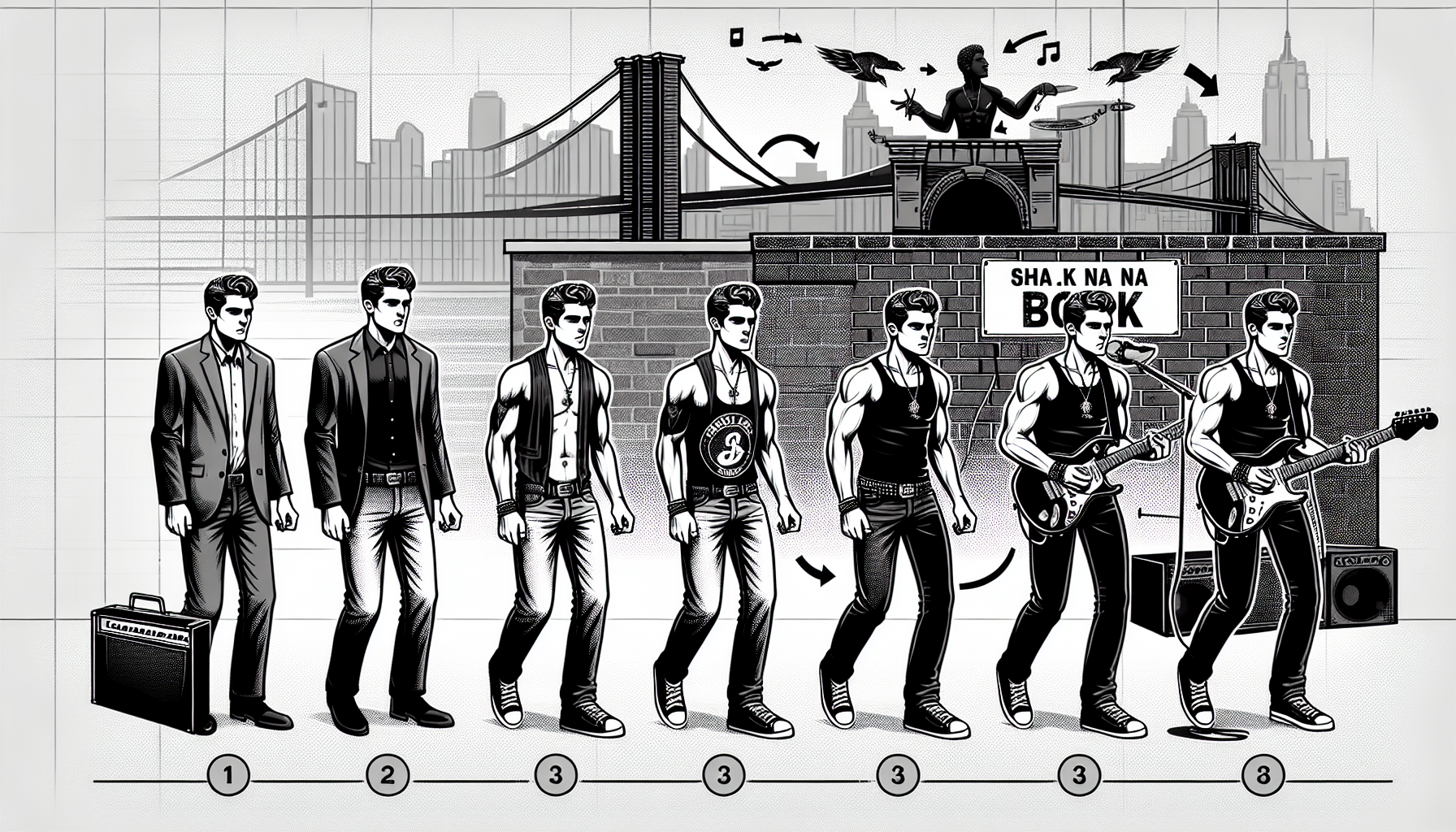
Jon Bauman, famously known as “Bowser” from Sha Na Na, exemplifies the synergy of talent and charisma that propelled him to prominence in the music and television industries. Born in Brooklyn but raised in Bedford-Stuyvesant, Bauman’s journey began in a neighborhood steeped in rich musical history, which inevitably shaped his artistry. His initial foray into music came through a love of doo-wop, a genre that became the backdrop to his future endeavors.
Bauman’s path to fame was marked by his involvement with the band Sha Na Na, a musical group that revived the energetic spirit of the 1950s. Formed in 1969 at Columbia University, the group’s unique combination of retro music and lively performances struck a chord. Bauman’s role was pivotal, not only as a lead vocalist but also as the charismatic front man who connected with audiences. Sha Na Na’s memorable performances on television showcased Bauman’s engaging personality and vocal talents, bringing smiles to countless viewers and leaving an indelible mark on the landscape of television history.
The band’s rise began in earnest when they played at Woodstock in 1969, Bauman became a member of Sha Na Na, the American doo-wop cover band, in 1970; the year after they played Woodstock. Known for his low vocal range, he appeared on the band’s TV comedy/variety show which aired from 1977 to 1981.
The origins of Sha Na Na
Sha Na Na’s origins can be traced back to the vibrant cultural and musical landscape of the late 1960s, particularly at Columbia University where a group of students, including Jon Bauman, sought to revive and celebrate the music that defined a generation. Initially conceived as a novelty act, the ensemble brought the energy and nostalgia of doo-wop and 1950s rock ‘n’ roll to a new audience. Their performances were a refreshing counterpoint to the more somber and introspective music that dominated the scene at the time.
At Columbia, members of the group began rehearsing in the school’s dormitories, melding their unique vocal harmonies with charismatic stage presence. The combination of nostalgia and theatricality quickly gained traction, culminating in their first formal gig at the famed New York venue, Café Wha? From there, the act’s popularity soared, leading to performances across the East Coast. Their commitment to authentically capturing the essence of the music era, replete with classic costumes and lively choreography, set them apart from other bands of the time.
A turning point for Sha Na Na came with their participation in the legendary Woodstock Festival in 1969. While the festival is often remembered for its counterculture ethos, Sha Na Na’s lively set, which included upbeat renditions of beloved favorites, helped to alleviate the heavy atmosphere of the event.
The impact of Sha Na Na on popular culture
The vibrant energy and unique aesthetic of Sha Na Na left an indelible impact on popular culture, influencing various facets of music, television, and the arts. The group’s revival of doo-wop and 1950s rock ‘n’ roll came at a time when the music industry was leaning heavily towards complex rock and introspective lyricism. Sha Na Na’s lighthearted approach and nostalgic performances struck a chord with audiences yearning for a return to simpler themes and joyous melodies.
One of the most significant contributions of Sha Na Na to popular culture was their successful television show, which aired from 1977 to 1981. The series not only showcased their musical talents but also introduced social commentary laced with humor. With Jon Bauman at the helm, the show brought together a mix of comedy sketches, celebrity guest appearances, and sing-alongs, creating a unique variety experience. It became a family favorite and introduced a younger generation to the music of the 1950s, bridging a generational gap with its infectious charm and lively performances.
The band’s influence extended beyond television; they starred in several films, including the iconic “Grease” (1978), wherein they played in the memorable school dance scene. This not only cemented their place in cinema history but also reinforced the nostalgia associated with their music. The portrayal of doo-wop and rock ‘n’ roll in mainstream film contributed to a resurgence of interest in this musical genre, solidifying Sha Na Na’s status.
Jon Bauman’s legacy and continued influence
Jon Bauman’s journey from Brooklyn to becoming a household name through Sha Na Na has left an enduring legacy that resonates in the music industry today. His influence extends beyond the sheer popularity of the band; it encompasses a transformation in how audiences perceive and engage with nostalgic music. Bauman’s charismatic stage presence, combined with his passionate advocacy for doo-wop and classic rock and roll, contributed significantly to the genre’s revival during a time when pop culture was evolving rapidly.
In the years following Sha Na Na’s peak, Bauman maintained a vibrant presence in television and live performances, reinforcing his commitment to music and entertainment. His work as a cultural ambassador for doo-wop music is notable; he participated in various tribute concerts and events aimed at celebrating the genre that had shaped his early career. Bauman often reminisced about the rich musical culture of Bedford-Stuyvesant, illustrating how his upbringing not only inspired him but also fueled his desire to share that legacy with a broader audience.
Bauman’s talent for storytelling and humor in his performances transformed the way musical acts were presented on television. He introduced a blend of music, comedy, and improvisation that appealed to viewers of all ages. This innovative format paved the way for other variety shows and musical acts, demonstrating the viability of nostalgic performances within a contemporary framework. His ability to engage audiences through a mix of humor and heartfelt musical delivery created a family-friendly environment, bridging gaps between generations and fostering a love for classic music.





Stay Informed With the Latest & Most Important News
Previous Post
Next Post






Advertisement


-
 01A Journey Through the Life of Gene Tierney
 -
 02Famous Writers from Brooklyn, New York
 -
 03A Comprehensive Look at Barry Manilow’s Brooklyn Roots
 -
 04A Comprehensive Look at Famous Novelists from Brooklyn, New York
 -
 05A Look Back at the 1977 Brooklyn Blackout: Causes and Impacts
 -
 06A Comprehensive Look at Edie Falco’s Inspiring Journey
 -
 07A Scenic Journey: The Staten Island Ferry from Brooklyn to Manhattan