




Now Reading: The artistic evolution of Jack Katz and his impact on graphic novels
-
01
The artistic evolution of Jack Katz and his impact on graphic novels



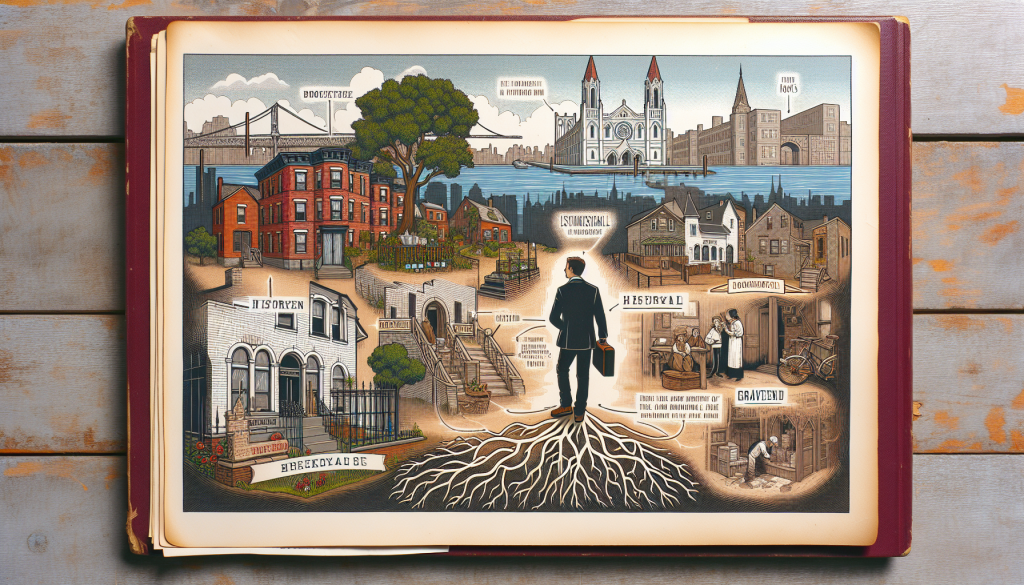
 Jack Katz’s artistic journey began in the vibrant streets of Brooklyn, where creativity and culture influenced his formative years. Growing up in the bustling neighborhoods of East New York, Katz was surrounded by a rich tapestry of experiences that would later inspire his work as a comic book artist and graphic novelist. From a young age, he showed a keen interest in visual storytelling, which was nurtured by the colorful characters and stories that filled his surroundings. With the encouragement of his family, Katz pursued art relentlessly, channeling his childhood observations into sketches and illustrations that reflected his dreams and aspirations.
After attending high school, Katz went on to study at the prestigious School of Visual Arts, where he honed his skills under the guidance of seasoned professionals. It was here that he learned the fundamentals of comic book art and developed a unique style that would set him apart from his peers. His education not only enhanced his technical abilities but also instilled a deep appreciation for the narrative power of graphic novels—a passion that would fuel his future endeavors.
Katz’s artistic journey took a significant turn when he entered the comic book industry in the early 1970s. He quickly became known for his innovative storytelling techniques and imaginative visuals. His most notable work, “The First Kingdom,” published in 1974, marked a pivotal moment in comic book history. This ambitious project was one of the first graphic novels to explore complex themes through a combination of intricate artwork and rich narrative, paving the way for future artists in the genre.
Throughout his
Pioneering graphic novels: The early years
Jack Katz’s early years in the comic book industry were groundbreaking, setting the stage for a revolution in graphic storytelling. After making his mark with “The First Kingdom,” Katz didn’t slow down; rather, he utilized the momentum from this pioneering work to push the boundaries of the medium even further.
1. Emergence in the Comic Book Scene
Katz first stepped into the comic book world in the early 1970s, collaborating with various independents as he sought to carve out a niche for himself.
– 1974: “The First Kingdom” was released, a watershed moment that not only resonated with readers but also showcased Katz’s potential as an innovator in the realm of graphic novels.
– His unique vision earned him initial recognition, but Katz was just getting started; he had more artistic avenues to explore.
2. Transition to Independent Publishing
In a time when major publishers dominated the market, Katz decided to venture into independent publishing with a desire to create content that was true to his artistic vision.
– Late 1970s: He founded his own publishing company, which allowed him to publish works that would push the envelope regarding themes and presentation.
– This bold move exemplified Katz’s commitment to artistic freedom and creative expression, hallmarks of his approach to being an art teacher and mentor.
3. Crafting a Unique Artistic Identity
Jack Katz’s artistry during this period didn’t merely
Innovative techniques and styles
Jack Katz’s innovative techniques and styles, shaped by his deep-rooted Brooklyn influences, set him apart in the world of graphic novels. Embracing a blend of creativity and technique, Katz became known for his ability to weave intricate narratives with compelling visuals. One of the hallmarks of his work is the dynamic use of color, which he meticulously applied to enhance the emotional depth of his storytelling. Each panel in “The First Kingdom” serves not just as a frame but as an integral part of the narrative, echoing the themes of adventure, conflict, and human experience.
A significant aspect of Katz’s artistry is his mastery of visual storytelling. He pioneered the use of expansive, cinematic layouts, which offered readers a fresh perspective and deeply immersive experience. By breaking away from traditional comic book formats, Katz allowed scenes to breathe, taking time to build suspense and emotional resonance. His willingness to experiment with layout and composition was groundbreaking and has influenced a new generation of graphic novelists.
Additionally, Katz’s attention to detail extends beyond the visual; he was adept at creating multi-dimensional characters that resonated with readers. His character designs were often a reflection of real-life figures he encountered in his Brooklyn neighborhood, infusing his work with relatability and authenticity. This synthesis of life experiences and artistic expression created a definitive style that celebrates both the personal and universal.
Another technique Katz innovated was the incorporation of varied textures in his illustrations. By applying different drawing styles, such as cross-hatching and stippling, he
Thematic exploration in Katz’s work
Katz’s thematic exploration often delves into subjects of existence, humanity, and the intricate connections between characters, embodying a deeper narrative layer that resonates with readers. In “The First Kingdom,” for instance, he interweaves science fiction with philosophical inquiries, challenging readers to ponder their place in the cosmos and the impact of civilization on nature. The complexity of the themes in his work defies the conventional boundaries of the comic book medium, elevating storytelling to an art form that speaks to both the intellect and the emotions.
One prominent theme in Katz’s oeuvre is the struggle for identity. Characters in his graphic novels often embark on journeys of self-discovery, echoing his own experiences in Brooklyn as he carved out his identity as an artist. This theme resonates widely, connecting with readers who have faced their unique challenges in understanding themselves in a changing world. Katz’s ability to capture these universal experiences makes his work relatable and timeless.
Katz also explores the duality of good and evil, a recurring motif that enriches the narrative depth of his stories. Through his nuanced characters, readers witness the moral complexities of each decision made, reflecting the intricate nature of human behavior. By portraying protagonists and antagonists with equal depth, Katz invites his audience to empathize with all sides of a conflict, a technique that generates a more profound emotional impact on the reader.
Another significant aspect is his exploration of societal issues. Katz incorporates reflections on war, peace, and the human condition, urging readers to confront the realities
Legacy and influence on modern graphic novels
As Katz’s influence continued to grow, so did his legacy in the realm of graphic novels and comic book history. His contributions have left an indelible mark not only on his contemporaries but also on future generations of artists and storytellers. Katz’s innovative approach to storytelling has continued to inspire a wave of graphic novelists who strive to push boundaries and explore complex themes within their work.
Many modern graphic novelists cite Katz as a major influence, noting how his pioneering narrative techniques laid the groundwork for the current resurgence of the graphic novel as a respected medium for literary expression. His ability to weave philosophical inquiries into visually compelling stories set a new standard for depth in graphic storytelling. Katz has shown that graphic novels are not just for entertainment but can also serve as profound explorations of the human experience.
Moreover, his commitment to representing diverse narratives highlights the importance of inclusivity in storytelling. Katz’s works often reflect the multicultural tapestry of his Brooklyn upbringing, inspiring new artists to embrace their experiences and perspectives. This dedication to authenticity resonates throughout the comic book community, encouraging creators to share their unique voices and experiences.
Beyond his creations, Jack Katz’s role as an art teacher has played a crucial part in shaping the future of the medium. Sharing his techniques and insights with aspiring artists, he has cultivated a new generation of storytellers who carry forward his legacy. Katz’s workshops and lectures often emphasize the importance of artistic integrity and the power of visual storytelling, empowering students to find their creative paths in an ever-evolving

Stay Informed With the Latest & Most Important News
Previous Post
Next Post








Advertisement


-
 01A Journey Through the Life of Gene Tierney
 -
 02The Inspiring Journey of William DeMeo
 -
 03A Journey Through the Life of Bea Arthur: Comedian & Actress
 -
 04A Deep Dive into Debra Messing’s Life and Career
 -
 05Exploring the Life of Edith “Didi” Conn: A Journey through History
 -
 06A Comprehensive Look at Edie Falco’s Inspiring Journey
 -
 07Jimmy Smits: A Look at His Life and Career