


Now Reading: Exploring the Brooklyn roots of music icon Tupac
-
01
Exploring the Brooklyn roots of music icon Tupac


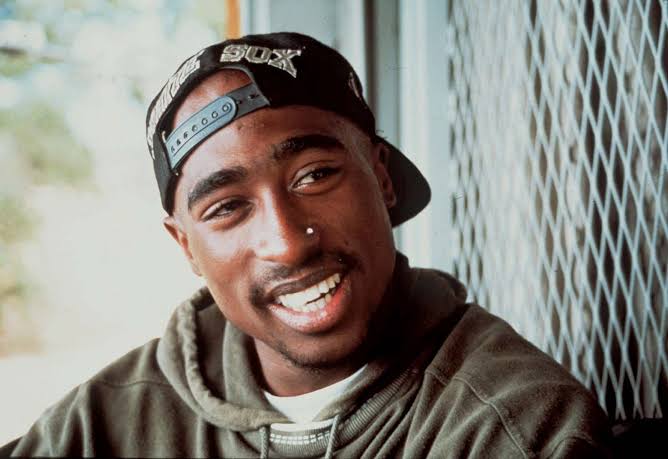

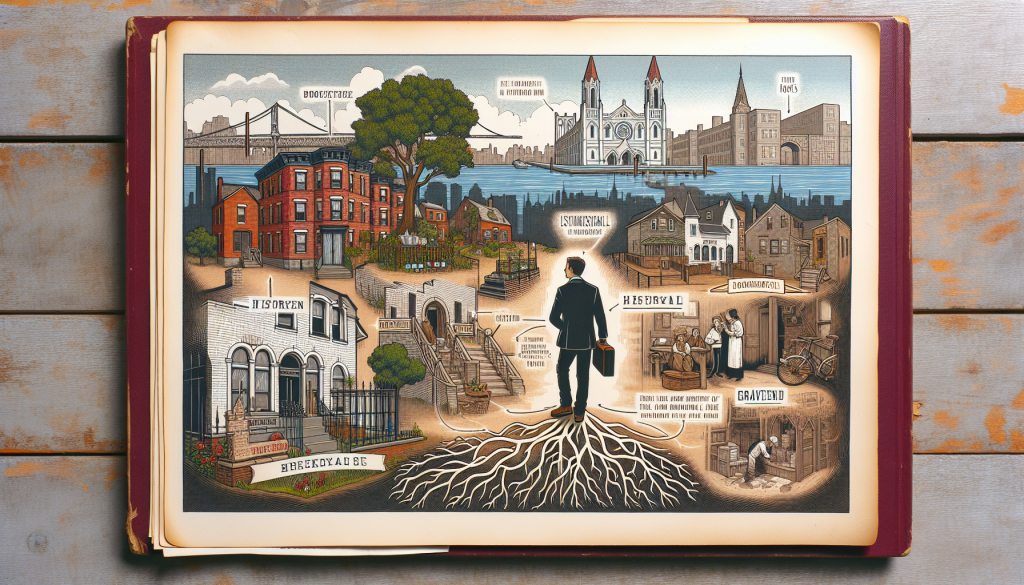
Tupac Shakur, born Lesane Parish Crooks, spent part of his formative years in the vibrant Brooklyn neighborhood that profoundly shaped his artistic trajectory. During his early life, Brooklyn’s rich cultural tapestry and the struggles he witnessed within the community laid the foundation for his future music legacy. Surrounded by the rhythmic beats and compelling narratives of the city, Tupac absorbed an eclectic mix of influences that would later emerge in his socially conscious lyrics and bold soundscapes. The streets of Brooklyn, with their dynamic blend of resilience and creativity, became a crucial element in shaping his perspective, fostering a deep sense of awareness and empathy that he would carry throughout his career. Grounded in the realities of his environment, Tupac was inspired by the powerful experiences he encountered, each contributing to his unique voice as an artist. This early period in Brooklyn offered him a prism through which he viewed the world, setting the stage for his emergence as one of the most iconic figures in music history.
Cultural impact on Tupac’s music
Embedded within the rhythms and stories of Brooklyn, Tupac Shakur’s music reverberates with the cultural influences he absorbed during his time in the borough. The diverse mosaic of sounds and artistic expressions prevalent in the area left an indelible mark on him, coloring his musical creations with a raw, authentic quality. The sounds of hip-hop, jazz, and street performances intermingled with the struggles and triumphs of day-to-day life, offering a wellspring of artistic inspiration. Through this immersive exposure, Tupac developed a lyrical prowess that emphasized vividly painted narratives and compelling social commentary. These experiences nourished his creativity, enabling him to craft songs that spoke to universal themes of adversity, justice, and empowerment.
Tupac’s music legacy was deeply enriched by the lessons and stories he gathered from the streets of Brooklyn, aligning his artistic vision with the voices of those who often went unheard. He embraced elements of the neighborhood’s ethos, weaving them into his work to challenge
Community connections
Throughout his life, Tupac Shakur remained intricately connected to the community of Brooklyn, a relationship that fortified his music legacy and personal narrative. His experiences in the borough were not isolated to observation, but rather characterized by active participation and engagement with the people and their stories. The community served as a living network of inspiration and support, fueling his passion for artistic expression and social activism.
Tupac’s interactions with the vibrant Brooklyn neighborhoods allowed him to root his work in authenticity and realism. As Lesane Parish Crooks during his early years, he absorbed the nuances of everyday life, from the intimate connections between neighbors to the collective struggle for social justice. These connections taught him the power of unity and voice, concepts that became central to his musical discourses and public persona.
The bonds Tupac formed extended beyond mere acquaintances; they were partnerships in the larger narrative of resilience and hope. His reciprocal relationship with the community provided a platform for collaboration and dialogue, embedding
Legacy of Brooklyn in Tupac’s artistry
The profound influence of Brooklyn’s unique cultural landscape lived on in Tupac Shakur’s artistry, long after he moved on from the borough. This legacy is reflected in the authenticity and depth of his music, which often tapped into the very essence of the community’s history and struggles. Brooklyn’s diverse and dynamic spirit can be seen in Tupac’s fearless exploration of social issues, a testament to the borough’s enduring impact on his creative vision.
His ability to channel the raw truths and vivid realities he witnessed in Brooklyn into his lyrics laid the groundwork for his music legacy, establishing him as an artist who was deeply connected to the societal currents of his time. The ethos of resilience and hope that he encountered in his early years became a defining feature of his work, allowing him to resonate with audiences far and wide. This connection to Brooklyn history infused his work with an authenticity that spoke directly to the pains and joys of everyday people, solidifying his role as a voice for the unheard.

Stay Informed With the Latest & Most Important News
Previous Post
Next Post







Advertisement


-
 01The multifaceted career of Danny Winchell in the entertainment industry
-
 02Neil Sedaka’s Timeless Legacy Endures
-
 03John franco the history of his brooklyn and gravesend roots
-
 04New BrooklynEchoes.com Trivia Page
-
 05The History of Aida Turturro, Actress Born in Brooklyn,NY
-
 06The Rise of Alfred C. Drake in Theater and Music
-
 07The Early Career of James Van Patten and His Rise to Fame