

Now Reading: Exploring Seymour Boardman’s Impact on Modern Art
-
01
Exploring Seymour Boardman’s Impact on Modern Art


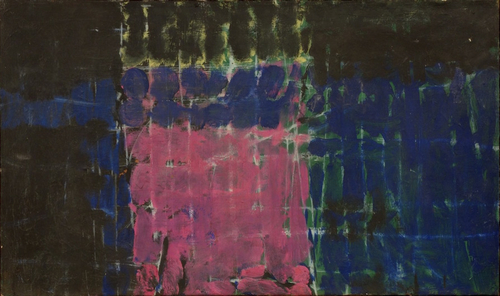

Seymour Boardman, a prominent figure in the realm of abstract expressionism, has left an indelible mark on modern art. As a Brooklyn artist, his work is characterized by a unique blend of minimalism and expressive abstraction, which has influenced countless artists and continues to be a subject of study in art history. Boardman’s approach to painting was deeply introspective, often focusing on the interplay of form and color to evoke emotion and thought.
Educated at City College and further honing his skills in Paris, Boardman was part of a generation that sought to redefine the boundaries of art. His exposure to European modernism, combined with the vibrant New York art scene, allowed him to develop a distinctive style that resonated with both his contemporaries and future generations. His canvases, often large and imposing, invite viewers to engage with the subtle complexities of his compositions.
Boardman’s impact on modern art is evident in the way he challenged traditional notions of representation. By stripping away extraneous details, he focused on the essence of the subject, encouraging a more profound interaction between the artwork and the observer. This approach not only contributed to the evolution of abstract expressionism but also paved the way for subsequent movements that emphasized conceptual over representational art.
Throughout his career, Boardman remained committed to exploring new techniques and ideas, ensuring his work remained relevant and influential. His legacy is preserved in numerous collections and exhibitions, where his contributions to modern art hang on the walls of time.

Stay Informed With the Latest & Most Important News
Previous Post
Next Post






Advertisement


-
 01The multifaceted career of Danny Winchell in the entertainment industry
-
 02Neil Sedaka’s Timeless Legacy Endures
-
 03John franco the history of his brooklyn and gravesend roots
-
 04New BrooklynEchoes.com Trivia Page
-
 05The History of Aida Turturro, Actress Born in Brooklyn,NY
-
 06The Rise of Alfred C. Drake in Theater and Music
-
 07The Early Career of James Van Patten and His Rise to Fame