



Now Reading: Artie Kornfeld, musician, record producer and music executive was borth Arthur Lawrence Kornfeld in Brooklyn
-
01
Artie Kornfeld, musician, record producer and music executive was borth Arthur Lawrence Kornfeld in Brooklyn

Artie Kornfeld, musician, record producer and music executive was borth Arthur Lawrence Kornfeld in Brooklyn

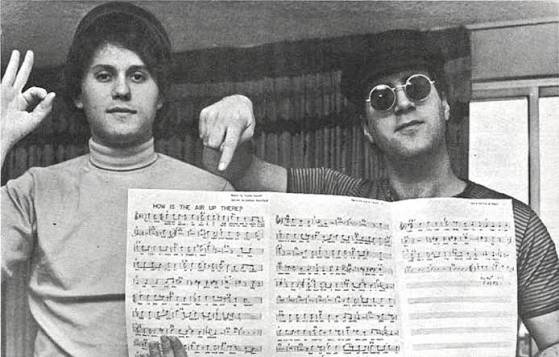

Arthur Lawrence Kornfeld, known to the world as Artie Kornfeld, was born in Brooklyn, New York, into a family that would greatly influence his future in music. Growing up in a vibrant and culturally rich neighborhood, Artie was surrounded by the diverse sounds and rhythms that characterized the bustling city life. His parents, both music enthusiasts, played a significant role in nurturing his early interest in melodies and harmonies. Artie’s father, a dentist by profession, was an avid jazz lover, often filling their home with the sounds of Louis Armstrong and Duke Ellington. This exposure to music at a young age sparked Artie’s curiosity and passion for the art form.
As a child, Artie showed a keen interest in learning musical instruments, starting with the piano and later picking up the guitar. His natural talent was evident, and he quickly became proficient, often performing at local community events and school functions. Artie’s early education took place in Brooklyn, where he attended a local high school known for its strong arts program. It was here that he began to explore his musical abilities more deeply, participating in school bands and honing his skills in songwriting and composition.
Artie’s academic journey was marked by a balance between his studies and his growing passion for music. He was a diligent student, but it was clear to everyone around him that his true calling lay in the world of melodies and lyrics. After graduating from high school, Artie pursued higher education at Adelphi University, where he continued to develop his musical
Career highlights
Artie Kornfeld’s career in the music industry is a testament to his remarkable talent and visionary approach. His journey began in the early 1960s when he joined Capitol Records as a songwriter and producer. This role marked the start of his influential career, allowing him to collaborate with various artists and hone his skills in music production.
– 1963: Artie co-wrote “The Pied Piper,” a hit single for Crispian St. Peters, which showcased his knack for creating catchy, memorable tunes. This success established him as a sought-after songwriter in the industry.
– 1966: Kornfeld became the vice president of Capitol Records, making him one of the youngest executives in the company’s history. In this role, he was instrumental in signing and promoting new talent, further cementing his reputation as a key player in the music business.
– 1969: Perhaps his most notable career highlight was co-creating the legendary Woodstock Music & Art Fair. As one of the festival’s organizers, Artie played a crucial role in bringing together some of the era’s most iconic musicians for an event that would define a generation and become a symbol of peace and music.
– 1970s: Post-Woodstock, Artie continued to influence the music scene by producing albums for various artists, including The Cowsills and Janis Ian. His ability to adapt to the changing musical landscape kept him relevant and respected in the industry.
Throughout his career, Art
Legacy and impact
Artie Kornfeld’s legacy in the music industry is both profound and enduring, leaving an indelible mark on the cultural landscape. As one of the architects of the iconic Woodstock Music & Art Fair, Kornfeld helped to create a defining moment in music history that continues to inspire generations. Woodstock was more than just a music festival; it was a symbol of peace, love, and unity during a tumultuous time in American history. The festival’s success and its lasting impact on music and culture are testaments to Kornfeld’s visionary spirit and ability to bring people together through the power of music.
Beyond Woodstock, Kornfeld’s influence can be seen in his work as a songwriter and producer, where he consistently pushed the boundaries of creativity. His contributions to the music industry have inspired countless artists and producers who followed in his footsteps. Kornfeld’s knack for discovering and nurturing talent helped shape the careers of many musicians, and his innovative approach to music production set new standards in the industry.
Artie’s commitment to music as a force for positive change is reflected in his continued advocacy for artists’ rights and his support for various charitable causes. His passion for music and its potential to bring about social change has left a lasting impression on both the industry and the wider community.
Today, Artie Kornfeld’s legacy is celebrated through numerous tributes and retrospectives that highlight his contributions to music and culture. His work continues to resonate with audiences, and his influence is felt in the ongoing evolution of the music industry.

Stay Informed With the Latest & Most Important News
Previous Post
Next Post








Advertisement


-
 01The multifaceted career of Danny Winchell in the entertainment industry
-
 02Neil Sedaka’s Timeless Legacy Endures
-
 03John franco the history of his brooklyn and gravesend roots
-
 04New BrooklynEchoes.com Trivia Page
-
 05The History of Aida Turturro, Actress Born in Brooklyn,NY
-
 06The Rise of Alfred C. Drake in Theater and Music
-
 07The Early Career of James Van Patten and His Rise to Fame