
Now Reading: Beverly Sills, Operatic Soprano, was born Belle Miriam Silverman in Brooklyn.
-
01
Beverly Sills, Operatic Soprano, was born Belle Miriam Silverman in Brooklyn.

Beverly Sills, Operatic Soprano, was born Belle Miriam Silverman in Brooklyn.

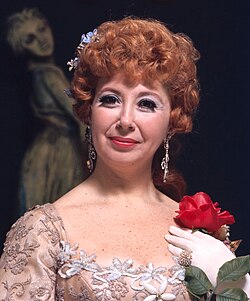

Belle Miriam Silverman, known to the world as Beverly Sills, was born on May 25, 1929, in Brooklyn, New York. Her parents, Shirley and Morris Silverman, were Jewish immigrants from Eastern Europe, and they instilled in her a deep appreciation for music from a young age. Growing up in a culturally rich environment, Sills was exposed to a variety of musical influences that would shape her future career. Her mother, recognizing her daughter’s prodigious talent, enrolled her in voice lessons when she was just three years old. By the age of four, Sills was already performing on the radio, charming audiences with her natural vocal ability and charismatic presence.
Sills attended the Professional Children’s School in Manhattan, an institution known for nurturing young talent in the arts. Here, she balanced her academic studies with rigorous musical training, honing her skills in both voice and performance. Her early education was marked by a dedication to her craft, and she quickly became a standout student, known for her exceptional vocal range and expressive interpretations.
As a teenager, Sills continued to refine her technique under the guidance of esteemed vocal coaches. Her education was not limited to formal instruction; she was also an avid listener, absorbing the nuances of great operatic performances and learning from the masters of the genre. This period of intense study laid the foundation for her future success, equipping her with the technical prowess and artistic insight that would later define her illustrious career.
Despite the challenges of balancing her education with her burgeoning career, Sills remained committed to her studies, understanding the importance of a solid educational background. Her early life and education were characterized by a relentless pursuit of excellence, a trait that would serve her well as she embarked on her journey to become one of the most celebrated operatic sopranos of her time.
Rise to fame
In the late 1940s, Beverly Sills began her ascent to stardom, a journey marked by perseverance and undeniable talent. Her professional debut came in 1947 when she joined the touring company of the Gilbert and Sullivan Opera Company. This experience allowed her to hone her craft on stage, performing in various productions and gaining invaluable experience in front of live audiences. It was during this time that Sills began to develop her signature style, characterized by her sparkling coloratura and engaging stage presence.
In 1955, Sills made a significant career leap when she joined the New York City Opera. Her debut role as Rosalinde in “Die Fledermaus” was met with critical acclaim, and it wasn’t long before she became one of the company’s leading sopranos. The 1960s proved to be a pivotal decade for Sills, as she took on increasingly challenging roles that showcased her vocal dexterity and dramatic flair. Her portrayal of Cleopatra in Handel’s “Giulio Cesare” in 1966 was a standout performance that solidified her reputation as a leading figure in the operatic world.
Throughout the late 1960s and early 1970s, Sills continued to captivate audiences with her performances in a variety of operas, including “The Siege of Corinth” and “La Traviata.” Her ability to convey deep emotion through her singing, combined with her technical precision, made her a favorite among opera enthusiasts and critics alike. Sills’ rise to fame was not just a testament to her vocal abilities but also to her determination and resilience in a competitive industry.
By the mid-1970s, Beverly Sills had become a household name, known not only for her operatic achievements but also for her charismatic personality and media presence. Her appearances on television talk shows and her role as a cultural ambassador helped to bring opera to a wider audience, further cementing her status as a beloved figure in American culture. Sills’ journey to
Legacy and impact
becoming an icon was marked by her ability to transcend the traditional boundaries of opera, reaching audiences far beyond the opera house. Her influence extended into popular culture, where she became a familiar face and voice, known for her warmth, humor, and accessibility.
Beverly Sills’ legacy is one of profound impact and enduring influence in the world of opera and beyond. Her contributions to the arts were not limited to her performances; she played a pivotal role in shaping the future of opera in America. After retiring from the stage in 1980, Sills took on leadership roles that allowed her to continue her advocacy for the arts. As the general manager of the New York City Opera from 1979 to 1989, she worked tirelessly to promote new talent and innovative productions, ensuring the company’s financial stability and artistic growth.
Her commitment to the arts extended to her work as the chairwoman of the Lincoln Center for the Performing Arts and the Metropolitan Opera, where she used her influence to champion accessibility and education in the arts. Sills was a passionate advocate for music education, believing that exposure to the arts was essential for young people. Her efforts in fundraising and public speaking helped to secure funding for arts programs and initiatives, leaving a lasting impact on cultural institutions across the country.
Sills’ legacy is also reflected in the numerous awards and honors she received throughout her lifetime, including the Presidential Medal of Freedom and the Kennedy Center Honors. These accolades are a testament to her extraordinary contributions to the arts and her role as a cultural ambassador. Her work continues to inspire new generations of performers and arts advocates, who look to her as a model of excellence and dedication.
Today, Beverly Sills is remembered not only for her remarkable voice and stage presence but also for her unwavering commitment to the arts and her ability to connect with audiences on a personal level. Her legacy lives on in the countless lives she touched through her performances, her leadership, and her advocacy, ensuring that her influence will be felt for generations

Stay Informed With the Latest & Most Important News
Previous Post
Next Post







Advertisement


-
 01The multifaceted career of Danny Winchell in the entertainment industry
-
 02Neil Sedaka’s Timeless Legacy Endures
-
 03John franco the history of his brooklyn and gravesend roots
-
 04New BrooklynEchoes.com Trivia Page
-
 05The History of Aida Turturro, Actress Born in Brooklyn,NY
-
 06The Rise of Alfred C. Drake in Theater and Music
-
 07The Early Career of James Van Patten and His Rise to Fame