


Now Reading: The Rise of John Bunny in Early Cinema
-
01
The Rise of John Bunny in Early Cinema


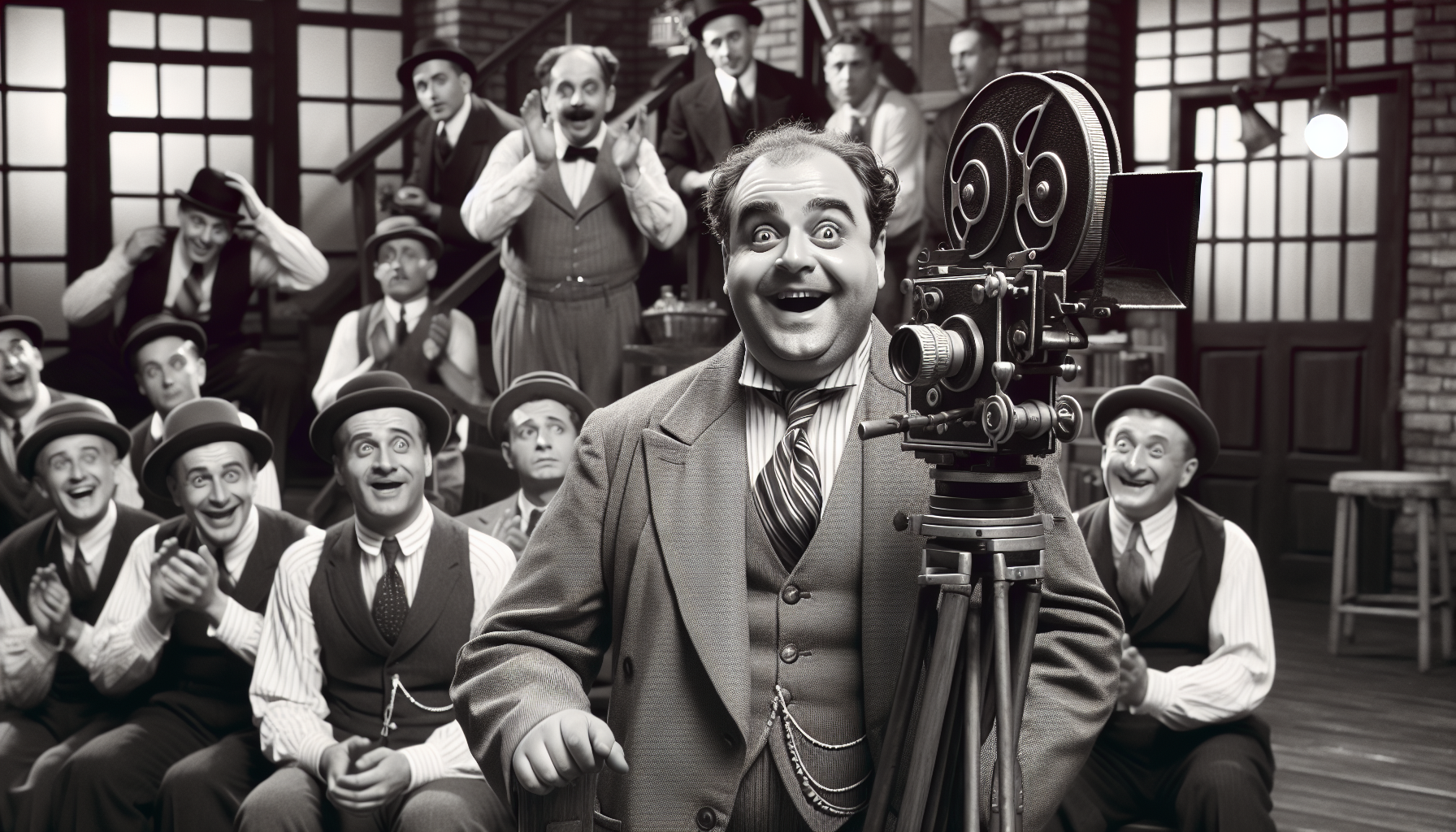

 In the realm of silent films, few names resonate as profoundly as John Bunny. This iconic figure emerged from the bustling streets of Brooklyn during the early 20th century, leaving an indelible mark on motion picture history. Bunny not only became a pioneer of the genre but also a beloved comic star whose performances helped shape the landscape of early cinema. His ability to evoke laughter without the aid of sound is nothing short of legendary, and his influence on comedy actors that followed is a testament to his extraordinary talent.
From the moment he stepped in front of the camera, Bunny captivated audiences with his expressive face and impeccable timing. He became a household name thanks to his unique brand of humor, which often combined slapstick with a dash of pathos. His popularity soared through a series of comedic shorts that showcased not just his skill but also the dexterity of the silent film medium itself. By the turn of the century, he was a fixture in various comedy films, rapidly becoming one of the highest-paid actors in the industry.
Bunny’s contributions went beyond mere performances; he helped to establish the comedic template that many silent films would follow. His ability to weave narratives filled with engaging characters and relatable situations set a benchmark for storytelling in cinema. These foundational elements can still be seen in films today, reflecting the lasting impact of Bunny’s work. As he charmed viewers, Bunny also laid the groundwork for the development of character-driven comedies, proving that silent films could convey complex emotions and plots without utter
Early career and breakthrough
In the bustling entertainment landscape of early 20th century Brooklyn, John Bunny’s journey toward becoming a celebrated comic star began with humble origins. His innate ability to entertain emerged during his formative years, where he honed his craft in local theaters, captivating audiences with live performances that showcased his flair for comic timing and physical humor. Known for his larger-than-life persona, Bunny would often incorporate his Brooklyn roots into his acts, drawing from the rich tapestry of urban life that surrounded him.
Bunny’s breakthrough came when he landed a contract with the pioneering film studio Vitagraph in 1907. This partnership proved to be pivotal, not just for Bunny, but for the burgeoning field of silent films as a whole. His first notable films were released shortly afterward, including “Mrs. Bunny’s Afternoon,” which featured his signature blend of humor and charm. Audiences were instantly drawn to his comedic style—an endearing mix of slapstick and sincerity that resonated deeply with the public. These early films showcased Bunny’s extraordinary ability to convey comedy using only his facial expressions and physicality, an essential quality for a silent film actor.
As Bunny’s popularity skyrocketed, he quickly became a household name, resulting in a string of successful releases that captured the hearts of many. His relentless work ethic and the fierce dedication to his craft allowed him to produce over 100 films in a remarkably short span, a testament to his importance in motion picture history. In films such as “The New Janitor” and
Iconic roles and performances
John Bunny’s tenure as a comic star in silent films is marked by a remarkable array of iconic roles and performances that not only defined his career but also significantly influenced the genre itself. With an unmatched combination of charm, humor, and relatability, Bunny brought to life a variety of characters that audiences couldn’t help but adore.
In the early 1910s, Bunny starred in several unforgettable short films that showcased his unique talent for blending comedic antics with heartfelt storytelling. One of his most celebrated performances came in the 1910 film “The Joneses Have a Wedding.” In this light-hearted tale, Bunny played a bumbling groom whose antics on his wedding day hilariously spun out of control. His ability to express a range of emotions without uttering a single word was nothing short of mesmerizing, capturing the nuances of comedic storytelling that would set the stage for future silent film actors.
Another noteworthy role was in the 1915 classic “The Fatal Footprint.” This film cleverly used Bunny’s comic persona to explore themes of mistaken identity and social status. His character—a hapless everyman caught in a series of misadventures—resonated deeply with the audience, proving that silent films could convey complex narratives despite the absence of dialogue. The film not only showcased Bunny’s physical comedy but also his ability to connect with viewers on a deeper level, a trait that became a signature of his career.
Bunny’s versatility as an actor allowed him to transition seamlessly between comedic roles and more dramatic performances
Cultural significance and legacy
John Bunny’s cultural significance and enduring legacy in the realm of silent films cannot be overstated. As a transformative figure in film history, his work not only entertained audiences but also influenced the trajectory of comedic storytelling in motion pictures. Bunny’s ability to convey rich narratives and evoke laughter without spoken dialogue redefined how comedy was portrayed onscreen, establishing a blueprint that many future comic stars would follow.
Bunny’s unique brand of humor, characterized by physicality and expressive facial gestures, resonated deeply with audiences of the early 20th century. His performances often featured relatable characters embroiled in comedic mishaps, mirroring the everyday lives of everyday people, which allowed viewers to connect with him on a personal level. This relatability was groundbreaking in the burgeoning world of silent films, where emotional depth was often conveyed through exaggerated actions and visual gags. By intertwining comedic elements with underlying themes of human experience, Bunny paved the way for a more nuanced approach to storytelling in cinema.
Moreover, the extensive range of Bunny’s filmography—spanning over 100 productions—played a significant role in establishing the silent film genre. His ventures into various comedic scenarios not only showcased his talent but also highlighted the artistic potential of this new medium. The influence of his comedic style can be seen in the works of subsequent generations of comedy actors who would build upon the foundation he laid. Through films that depicted societal norms and highlighted humor in everyday situations, Bunny contributed to the evolving perception of film as an art form, one
Challenges and untimely decline
John Bunny’s incredible rise to fame was met with several challenges that would ultimately affect both his career and legacy. As the early 20th century unfolded, Bunny experienced both the glory of success and the harsh realities of the film industry, particularly the transition from silent films to the advent of talkies. While his unique ability to convey humor without dialogue had once made him the darling of early cinema, the changing landscape posed a significant threat to his continued relevance as a comic star.
At the height of his career, Bunny faced considerable pressure to maintain his status in a rapidly evolving industry. Despite his success in silent films, the late 1920s marked a pivotal moment in motion picture history with the introduction of synchronized sound. The transition to “talkies” forced many seasoned silent film actors—including Bunny—into a precarious position as audiences began to favor those who could deliver dialogue as well as visual humor. Bunny’s distinctive style, which relied predominantly on physical comedy and expressive acting, became a liability in a medium that now celebrated spoken word and musical performance.
Compounding these struggles were the personal challenges that Bunny encountered. As he navigated the pitfalls of fame, he also battled health issues that began to take a toll on his vibrant performances. With the onset of ailments that impacted his ability to perform consistently, Bunny’s output began to slow, leading to a decline in visibility. The very industry that had once embraced him now seemed to churn forward without his input, leaving Bunny fighting to reclaim his footing.

Related Posts


Stay Informed With the Latest & Most Important News
Previous Post
Next Post







Advertisement


-
 01A Journey Through the Life of Gene Tierney
 -
 02The Inspiring Journey of William DeMeo
 -
 03A Journey Through the Life of Bea Arthur: Comedian & Actress
 -
 04A Deep Dive into Debra Messing’s Life and Career
 -
 05Exploring the Life of Edith “Didi” Conn: A Journey through History
 -
 06A Comprehensive Look at Edie Falco’s Inspiring Journey
 -
 07Jimmy Smits: A Look at His Life and Career