


Now Reading: The Enduring Charm of Brooklyn Carriage House
-
01
The Enduring Charm of Brooklyn Carriage House




Hey everyone, welcome back to *Brooklyn Echoes*, the podcast that keeps the borough’s legends and memories alive. I’m your host, Robert Henriksen.
# The Enduring Charm of Brooklyn’s Carriage Houses: From Horse Stables to Modern Gems
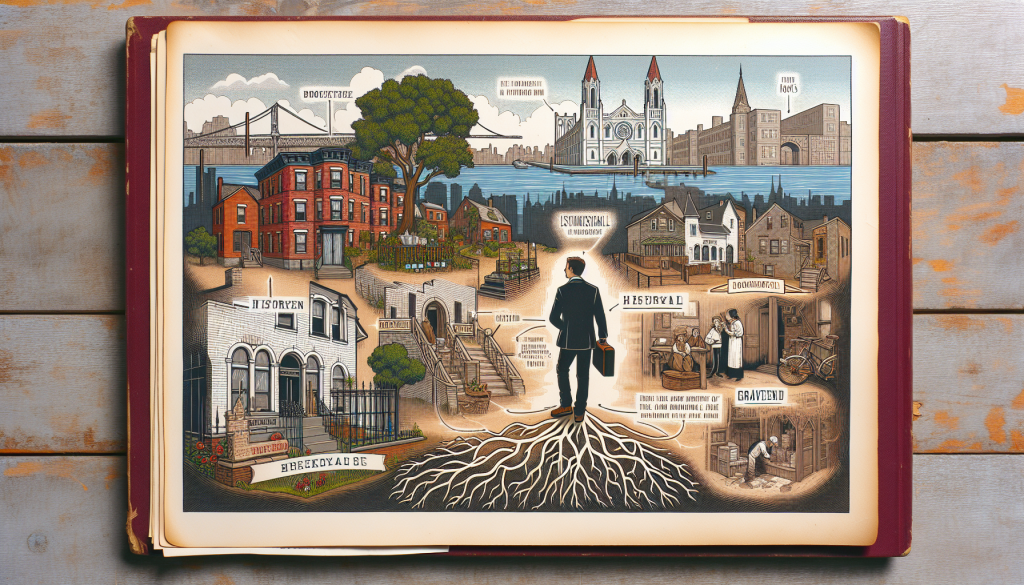
Brooklyn, with its rich tapestry of brownstones, parks, and waterfront views, holds many architectural secrets. Among the most enchanting are its carriage houses—modest yet majestic structures that whisper tales of a bygone era. Originally built in the late 18th and 19th centuries to house horse-drawn carriages, stables, and sometimes even living quarters for coachmen, these buildings were essential to urban life before the automobile took over. Today, they’ve been reborn as luxurious residences, creative studios, and hidden oases in bustling neighborhoods like Brooklyn Heights and Cobble Hill.
## A Glimpse into History
The story of Brooklyn’s carriage houses begins in the era of horse-powered transportation. As New York City expanded in the 1800s, affluent families in areas like Brooklyn Heights needed secure spots to store their carriages and horses away from the main residence. These structures were often tucked away on side streets or alleys, such as Love Lane in Brooklyn Heights, where rows of them evoke images of cobblestone paths and clattering hooves. By the late 19th century, with the rise of streetcars and subways, many fell into disuse, but their sturdy brick and stone facades endured.
In neighborhoods like Clinton Hill and Fort Greene, carriage houses dotted blocks like Waverly Avenue, where over 30 such buildings from the 19th century still stand, transformed over time into garages, workshops, and homes. This adaptability highlights Brooklyn’s knack for preserving history while embracing change.
## Architectural Features and Neighborhood Highlights
What makes a carriage house instantly recognizable? Typically two or three stories tall, they feature wide arched doorways—once used for carriages—that now often serve as grand entrances or garage doors. Many boast Romanesque Revival or Gothic elements, with decorative brickwork, iron gates, and hayloft pulleys that hint at their equestrian past.
Brooklyn Heights is a treasure trove, home to some of the most picturesque examples. On streets like Willow and Joralemon, these houses blend seamlessly with the area’s historic brownstones, offering a sense of seclusion amid the urban grid. Cobble Hill, too, features gems like the Degraw Street carriage house, which has evolved from a parking garage and office into a modern passive house while retaining its prewar charm.
One standout is a circa-1899 carriage house in Brooklyn Heights, originally built for horse storage but later used by a jewelry maker before a luminous renovation turned it into a light-filled home. Further afield, in areas like Gramercy (though technically Manhattan, its style influences Brooklyn designs), storybook-like structures from the 1890s showcase whimsical details that echo across the borough.
## Modern Transformations and Uses
In the 20th and 21st centuries, carriage houses have undergone remarkable makeovers. No longer mere storage sheds, many have been converted into high-end single-family homes, boasting open floor plans, rooftop gardens, and sustainable features like mass timber construction. A prime example is a modernist carriage house on an exclusive Brooklyn Heights street, rebuilt in 2012 with sleek interiors spanning 4,600 square feet.
These conversions aren’t just about luxury; they represent innovative adaptive reuse. Architects like those at Ingui Architecture have turned aging structures into energy-efficient passive houses, blending historic facades with cutting-edge technology. In a city where space is premium, owning a carriage house offers privacy and character that’s hard to find in standard apartments.
## Why Carriage Houses Still Captivate
Brooklyn’s carriage houses are more than relics—they’re living pieces of history that adapt to contemporary needs. Whether you’re strolling through Brooklyn Heights or admiring a renovated stable in Cobble Hill, these buildings remind us of the borough’s evolution from a carriage-dependent suburb to a vibrant cultural hub. For architecture enthusiasts, history buffs, or anyone dreaming of a unique home, they offer endless inspiration.
If you’re in Brooklyn, take a walk down Love Lane or Waverly Avenue; you might just spot one of these hidden gems, standing as a testament to the past while embracing the future.
If you like this podcast, Check out our new Brooklyn Echo’s Audio podcast at The Brooklyn Hall of Fame were we have been recording episodes to stream at your favorite streaming services like Apple or Spotify.

Related Posts


Stay Informed With the Latest & Most Important News
Previous Post
Next Post









Advertisement


-
 01A Journey Through the Life of Gene Tierney
 -
 02The Inspiring Journey of William DeMeo
 -
 03A Journey Through the Life of Bea Arthur: Comedian & Actress
 -
 04A Deep Dive into Debra Messing’s Life and Career
 -
 05Exploring the Life of Edith “Didi” Conn: A Journey through History
 -
 06A Comprehensive Look at Edie Falco’s Inspiring Journey
 -
 07Jimmy Smits: A Look at His Life and Career