Now Reading: Thanksgiving Memories
-
01
Thanksgiving Memories


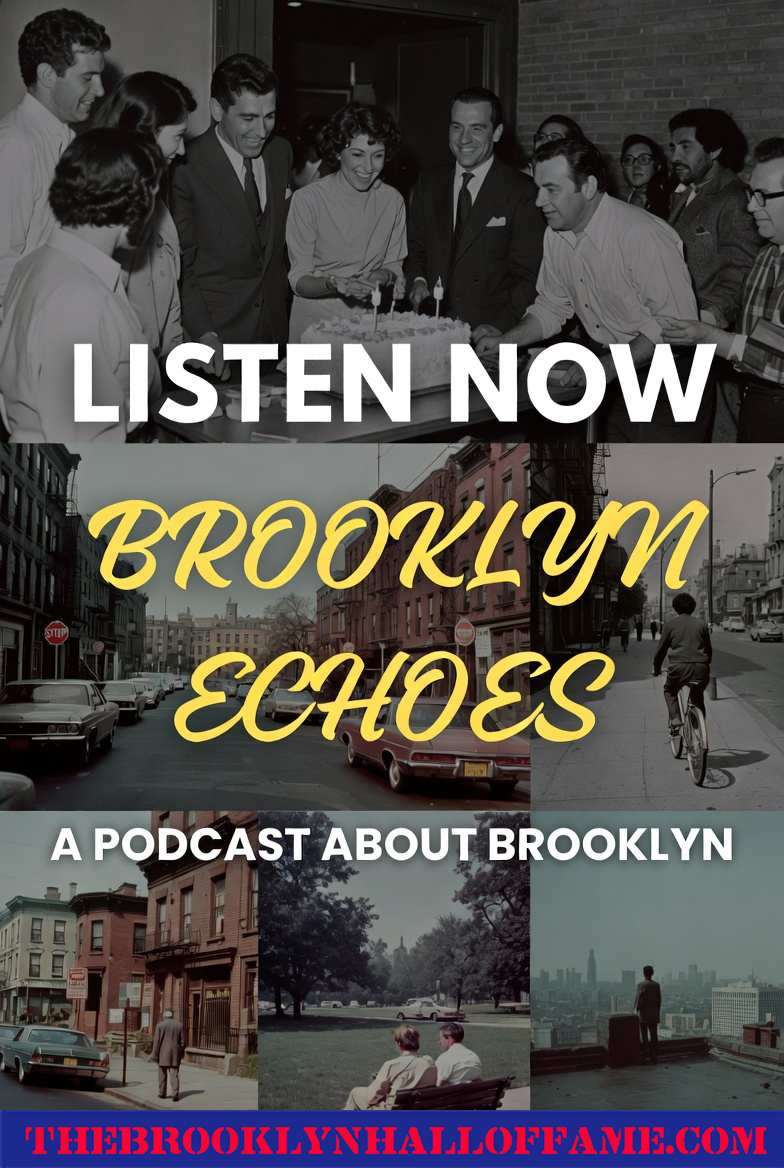

Hey everyone, welcome back to *Brooklyn Echoes*, the podcast that pulls you right into the borough’s most cherished moments. I’m your host, Robert Hneriksen , and today we’re gathering around the table for a long, heartfelt look at Thanksgiving in 1970s Brooklyn. The city was tough—fiscal crisis in ’75 left everyone pinching pennies, crime was up, streets were grittier than ever—but Thanksgiving was sacred. It was the one day when the borough slowed down, families came together, and gratitude pushed aside the daily grind. From the Macy’s Parade flickering on the TV to the smell of roasting turkey wafting through brownstone hallways, from neighborhood walks to post-dinner football debates, Thanksgiving was pure Brooklyn: loud, diverse, resilient, and full of love. So settle in with a cup of coffee, because we’re taking the next few minutes or so to relive those hearty, imperfect, unforgettable Thanksgivings.
The day began early, even for a holiday. Kids woke up to the sound of the TV already on in the living room. Macy’s Thanksgiving Day Parade was the ritual kickoff. Families didn’t usually head to Manhattan for it—that was a once-in-a-lifetime thing—but the parade was a living room event. Black-and-white sets in older homes, color TVs in the luckier ones. Kids sprawled on the carpet in pajamas, eyes wide as the balloons floated by: Snoopy, Underdog, Smokey Bear, or the new ones like Kermit the Frog or Big Bird. Parents sipped coffee, grandparents called out for the Rockettes or the high school marching bands. The camera panned over the crowds, and for a moment Brooklyn felt connected to the whole country. The parade ended with Santa Claus riding in on his sleigh, signaling the official start of the Christmas season. Kids cheered, already dreaming of the toys to come.
Meanwhile, the kitchen was a whirlwind. In Italian-American homes in Bensonhurst, Bay Ridge, or Dyker Heights, the turkey shared the oven with trays of lasagna, stuffed artichokes, or sausage and peppers. Nonnas and moms had been up since dawn, stirring pots of gravy (never “sauce” on Thanksgiving), mashing potatoes, and baking pies. In Jewish households in Flatbush, Crown Heights, or Borough Park, the menu might lean toward brisket, matzo ball soup, kugel, and challah, with cranberry sauce as a nod to the holiday. Puerto Rican families in Bushwick, East New York, or Sunset Park brought out arroz con gandules, pernil roasted slow and crispy, sweet plantains, and flan for dessert. Greek families in Bay Ridge might add spanakopita or lamb. The table was a reflection of Brooklyn’s melting pot—turkey as the centerpiece, but sides from every corner of the world.
Kids were usually shooed out of the kitchen. “Go watch the parade,” moms would say, wiping hands on aprons. But they’d sneak back in for tastes of stuffing, a piece of celery, or a spoonful of cranberry sauce straight from the can—those ridges still visible. Teens helped set the table, folding napkins or placing the good china that only came out twice a year. Dads carved the turkey, proudly wielding the electric knife, while uncles debated who got the drumstick.
The meal itself was an event. Tables were extended with folding chairs and card tables pushed together. Aunts, uncles, cousins, grandparents, and sometimes neighbors who had nowhere else to go. The room was warm, noisy, filled with laughter and overlapping conversations. Someone always asked the kids what they were thankful for—school was out, new bikes from Christmas last year, or just “this food.” Someone else cracked a joke about the turkey being drier than last year’s, and everyone laughed. Forks clinked, plates were passed, and seconds were encouraged. Dessert followed: pumpkin pie, apple pie, pecan pie, or a tray of Italian cookies—pignoli, biscotti, rainbow cookies. Coffee and tea were poured, and the stories flowed: old family tales, neighborhood gossip, plans for the year ahead.
After dinner, many families took a walk. The streets were unusually quiet—no school buses, no work traffic. In Park Slope or Prospect Park, families strolled under bare trees, leaves crunching underfoot, kids running ahead with their cousins. In Bay Ridge, some walked along Shore Road, looking out at the Verrazzano Bridge. In Brooklyn Heights, the Promenade offered views of the Manhattan skyline, lights twinkling in the distance. It was a rare calm moment in the city, a chance to digest and reflect.
Back home, the TV came on again for football. The Detroit Lions always played, then the Dallas Cowboys. Families gathered around the set, cheering or groaning, arguing over plays. In some backyards or empty lots, kids played touch football, bundled up against the November chill. Others just napped on the couch, plates of leftovers within reach.
As the sun set, the day wound down. Kids, stuffed and exhausted, played with their toys or watched old movies on TV. Parents cleaned up, but slowly—talking over dishes, sharing a quiet moment. There was a sense of renewal: the city was hard, but family was harder. Thanksgiving reminded everyone what mattered.
Those 1970s Thanksgivings in Brooklyn were simple, sometimes crowded, often noisy, but always full of heart. No fancy restaurants, no catered spreads—just real food, real people, and real gratitude.
If you have memories from those Thanksgivings—your grandma’s stuffing recipe, watching the parade with the whole family, or a neighborhood tradition—send them to brooklynechoes@email.com. I’d love to read them on the show.
Thanks for spending this holiday trip down memory lane with me. Until next time, keep that Brooklyn spirit alive—and happy Thanksgiving.
If you like this podcast, Check out our new Brooklyn Echo’s Audio podcast at The Brooklyn Hall of Fame were we have been recording episodes to stream at your favorite streaming services like Apple or Spotify.

Related Posts

Stay Informed With the Latest & Most Important News
Previous Post
Next Post





Advertisement


-
 01A Journey Through the Life of Gene Tierney
 -
 02The Inspiring Journey of William DeMeo
 -
 03A Journey Through the Life of Bea Arthur: Comedian & Actress
 -
 04A Deep Dive into Debra Messing’s Life and Career
 -
 05Exploring the Life of Edith “Didi” Conn: A Journey through History
 -
 06A Comprehensive Look at Edie Falco’s Inspiring Journey
 -
 07Jimmy Smits: A Look at His Life and Career