




Now Reading: Bernard Pomerance’s Journey from Brooklyn to the Stage
-
01
Bernard Pomerance’s Journey from Brooklyn to the Stage


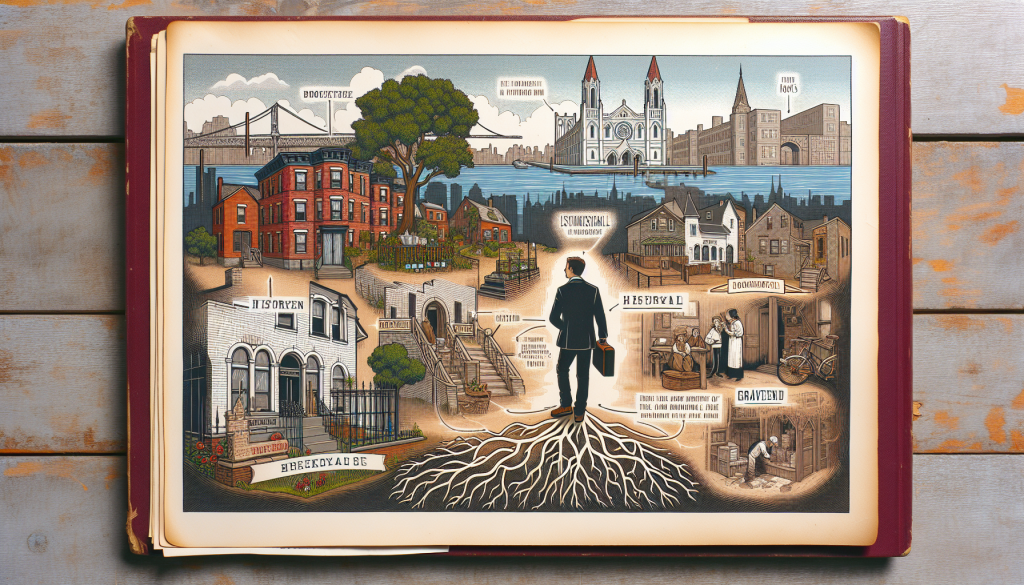
Born into the vibrant and culturally rich borough of Brooklyn, Bernard Pomerance’s early life was steeped in the diverse traditions and dynamic atmosphere that would later permeate his work as a playwright. This New York City enclave, known for its bustling streets and eclectic neighborhoods, played a critical role in shaping Pomerance’s worldview and artistic sensibilities. Surrounded by a tapestry of stories and voices, he absorbed the myriad experiences of his surroundings, providing a fertile ground for his future endeavors in the theatre. Growing up in an environment where artists, writers, and performers were part of the everyday discourse, young Bernard developed a keen appreciation for storytelling and drama. It was here in Brooklyn’s unique milieu that the foundations for his iconic works, such as “The Elephant Man,” were quietly being laid, setting the stage for a career that would leave a lasting imprint on the world of theater. Pomerance’s formative years reflect a deep connection to his roots, a connection that would repeatedly echo throughout
influence of New York on his writing

The pulsating heartbeat of New York City, with its ever-evolving landscape and melange of cultural influences, left an indelible mark on Bernard Pomerance as a playwright. The city, a veritable theater in its own right, provided Pomerance with a rich backdrop of inspiration, fueling his creativity and shaping his narratives. Amidst the cacophony of New York’s streets, he found stories that spoke to the human condition, tales of struggle, resilience, and identity that would become thematic cornerstones in his work.
New York’s theater scene, renowned for its vibrancy and innovation, offered Pomerance a front-row seat to groundbreaking productions that pushed the boundaries of traditional storytelling. This exposure to avant-garde performances and powerful dramas honed his dramaturgical skills, imbuing his plays with a depth and complexity that resonated with audiences. The diversity of voices and stories that thrived in New York’s theater district served as a constant source of
breakthrough in theater
The mid-1970s marked a pivotal period in Bernard Pomerance’s career, as he achieved a remarkable breakthrough in theater with his acclaimed play, “The Elephant Man.” This work catapulted him into the spotlight, capturing both critical and popular acclaim for its profound narrative and sensitive treatment of its subject. Originally premiered at the Hampstead Theatre in London in 1977 before moving to Broadway in 1979, the play told the poignant story of John Merrick, a severely deformed man in Victorian England, and explored themes of humanity, dignity, and isolation.
Pomerance’s unique storytelling approach and his ability to evoke deep emotional responses from audiences set “The Elephant Man” apart from contemporaneous productions. With its minimalistic staging and innovative dramatic techniques, the play resonated not only for its compelling content but also for its artistic execution, allowing the audience to focus on the intense personal struggles and philosophical questions it raised. This success cemented Pomerance’s
legacy and impact on stage
In the annals of theatrical history, Bernard Pomerance has etched a legacy that remains influential to this day. His masterful storytelling, particularly evident in “The Elephant Man,” has had a profound impact on both the theatrical world and audiences. The play’s enduring success is a testament to Pomerance’s ability to craft narratives that delve deep into the human psyche, challenging societal norms and evoking empathy and reflection. The themes of humanity, dignity, and acceptance in “The Elephant Man” transcend time, continuing to resonate with new generations of theatergoers and creatives alike.
Pomerance’s work challenged conventional theater practices, urging producers and directors to adopt minimalist staging and nuanced character development. This approach revitalized interest in narrative depth over extravagant production, paving the way for a new era of thematic exploration and introspective storytelling in theater. His legacy is also seen in how playwrights approach historical narratives, blending factual events with poignant interpretations to create compelling drama that speaks to contemporary

Related Posts



Stay Informed With the Latest & Most Important News
Previous Post
Next Post








Advertisement


-
 01A Journey Through the Life of Gene Tierney
 -
 02The Inspiring Journey of William DeMeo
 -
 03A Journey Through the Life of Bea Arthur: Comedian & Actress
 -
 04A Deep Dive into Debra Messing’s Life and Career
 -
 05Exploring the Life of Edith “Didi” Conn: A Journey through History
 -
 06A Comprehensive Look at Edie Falco’s Inspiring Journey
 -
 07Jimmy Smits: A Look at His Life and Career