
Now Reading: The Cinematic Journey of Bayard Veiller
-
01
The Cinematic Journey of Bayard Veiller


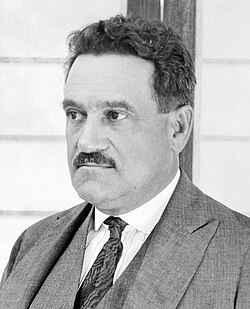

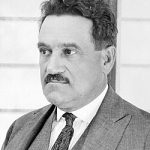
Bayard Veiller, a name synonymous with the golden age of Hollywood, embarked on a cinematic journey that left an indelible mark on the film industry. Born in Brooklyn, New York, Veiller’s career spanned from 1915 to 1941, during which he established himself as a prolific playwright, screenwriter, and film director. His work in Hollywood was characterized by a unique blend of storytelling that captivated audiences and critics alike.
Veiller’s career began in the theater, where his talent as a playwright quickly became evident. His transition to the silver screen was marked by an astute understanding of narrative and character development, which he adeptly translated into the cinematic medium. Over the course of his career, Veiller was involved in the creation of 32 films, each reflecting his distinctive voice and vision.
One of Veiller’s most notable contributions to cinema was his ability to craft compelling stories that resonated with the audience. His work often explored themes of morality, justice, and human nature, drawing viewers into the complex worlds he created. As a screenwriter, Veiller had a knack for dialogue that was both sharp and insightful, bringing his characters to life in a way that was both relatable and profound.
Veiller’s directorial efforts further showcased his versatility and command over the medium. His films were characterized by a keen attention to detail and a commitment to authenticity, which earned him a reputation as a director
- Theatre: Broke onto Broadway with The Primrose Path (1907) and achieved major success with hits such as Within the Law (1912–1913), The Thirteenth Chair, and The Trial of Mary Dugan.
- Film Writing & Directing: Adapted many of his stage works for the screen and wrote or directed films including Sherlock Brown (1922), The Last Card (1921), The Trial of Mary Dugan (1929), and Paid (1930).
- Producing: Produced notable titles in the 1920s and 1930s, including The Eagle and the Hawk (1933) and The Notorious Sophie Lang (1934).
- Autobiography: Published his memoir, The Fun I’ve Had, in 1941

Related Posts
Stay Informed With the Latest & Most Important News
Previous Post
Next Post






Advertisement


-
 01The multifaceted career of Danny Winchell in the entertainment industry
-
 02Neil Sedaka’s Timeless Legacy Endures
-
 03John franco the history of his brooklyn and gravesend roots
-
 04The History of Aida Turturro, Actress Born in Brooklyn,NY
-
 05New BrooklynEchoes.com Trivia Page
-
 06The Rise of Alfred C. Drake in Theater and Music
-
 07The Early Career of James Van Patten and His Rise to Fame