Now Reading: Elizabeth Janeway’s Journey from Novelist to Feminist Pioneer
-
01
Elizabeth Janeway’s Journey from Novelist to Feminist Pioneer

Elizabeth Janeway’s Journey from Novelist to Feminist Pioneer

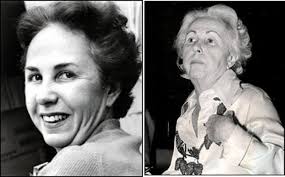

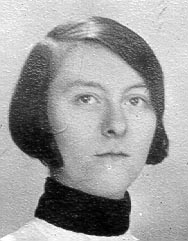
Elizabeth Janeway’s transformation from a successful novelist to a prominent feminist thinker is a compelling narrative of personal growth and societal contribution. Born in Brooklyn in 1913, Janeway initially made her mark in the literary world with her engaging novels that captivated readers and critics alike. Her early works, such as “The Walsh Girls” and “Daisy Kenyon,” were best-sellers that established her as a significant voice in American literature.
Despite her success as a novelist, Janeway’s interests began to shift during the 1960s, a period marked by social upheaval and the rise of the women’s movement. This era of change inspired her to explore the dynamics of gender and power, leading her to become an influential figure in feminist thought. Her transition was not merely a change in career focus but a profound personal evolution that reflected the broader societal transformations occurring around her.
Janeway’s involvement in the feminist movement was characterized by her incisive analysis of women’s roles and her advocacy for gender equality. Her writings during this period, including “Man’s World, Woman’s Place: A Study in Social Mythology,” offered critical insights into the systemic structures that perpetuated gender discrimination. She argued that societal myths about women’s capabilities and roles were deeply ingrained and needed to be dismantled for true equality to be achieved.
Through her work, Elizabeth Janeway became a respected voice in the feminist community, contributing to the intellectual foundation of the movement
- Novelist & Critic: Her 1943 debut The Walsh Girls and 1945’s Daisy Kenyon (adapted into a Joan Crawford film) established her as a best-selling novelist. She authored seven novels exploring female social pressures and family life.
- Leadership: She served as Authors Guild president (1965–1969), held roles in PEN, and judged for major literary prizes.
- Activism & Writing: In the 1970s, she transitioned to a prominent feminist lecturer and author, writing influential works like Man’s World, Woman’s Place (1971) and Powers of the Weak (1980).
- Later Life: Honored with the Barnard Medal of Distinction in 1981, she passed away at 91 in Rye, New York

Related Posts

Stay Informed With the Latest & Most Important News
Previous Post
Next Post





Advertisement


-
 01The multifaceted career of Danny Winchell in the entertainment industry
-
 02Neil Sedaka’s Timeless Legacy Endures
-
 03John franco the history of his brooklyn and gravesend roots
-
 04New BrooklynEchoes.com Trivia Page
-
 05The History of Aida Turturro, Actress Born in Brooklyn,NY
-
 06The Rise of Alfred C. Drake in Theater and Music
-
 07The Early Career of James Van Patten and His Rise to Fame