

Now Reading: The Impact of Barry Robins on 70s Cinema and Beyond
-
01
The Impact of Barry Robins on 70s Cinema and Beyond


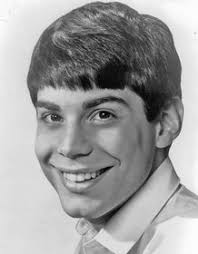

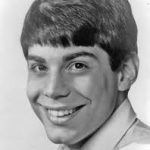
Barry Robins, an actor whose career intersected with the transformative era of 1970s cinema, left an indelible mark on the film industry, both through his performances and his influence on the evolving landscape of American film. Born in Brooklyn, Robins was a quintessential part of the vibrant cultural tapestry that defined this era. His work, though not as prolific as some of his contemporaries, was characterized by a depth and intensity that resonated with audiences and critics alike.
Robins is perhaps best remembered for his role in Stanley Kramer’s 1971 film, “Bless the Beasts & Children.” In this film, Robins portrayed the character of Cotton, a sensitive and troubled teenager who leads a group of misfit boys on a mission to save a herd of buffalo. The film, a poignant commentary on the loss of innocence and the struggle for identity, showcased Robins’ ability to convey complex emotions with subtlety and nuance. His performance was a testament to the power of character-driven storytelling that became a hallmark of 1970s cinema.
The 1970s were a time of experimentation and innovation in the film industry, with directors and actors pushing the boundaries of traditional storytelling. Robins’ work during this period reflected this shift, as he took on roles that challenged societal norms and explored deeper psychological themes. His ability to embody characters with authenticity and vulnerability made him a sought-after actor in both film and television.
- Signature Role: Played “Cotton” in Stanley Kramer’s 1971 film Bless the Beasts and Children.
- Stage Career: Attended New York’s High School of Performing Arts and studied acting with Stella Adler. He famously played the Crown Prince in The King and I more than 600 times, starting with a 1963 Chicago performance that led Richard Rodgers to invite him to the 1964 Lincoln Center revival.
- Other Work: Appeared in regional and Broadway-associated musicals (such as Camelot, Annie Get Your Gun, and Li’l Abner) and television shows including Columbo, The Rat Patrol, and The Girl from U.N.C.L.E.

Related Posts

Stay Informed With the Latest & Most Important News
Previous Post
Next Post




Advertisement


-
 01The multifaceted career of Danny Winchell in the entertainment industry
-
 02Neil Sedaka’s Timeless Legacy Endures
-
 03John franco the history of his brooklyn and gravesend roots
-
 04New BrooklynEchoes.com Trivia Page
-
 05The History of Aida Turturro, Actress Born in Brooklyn,NY
-
 06The Rise of Alfred C. Drake in Theater and Music
-
 07The Early Career of James Van Patten and His Rise to Fame