


Now Reading: Celebrating the Legacy of Beverly Pepper
-
01
Celebrating the Legacy of Beverly Pepper


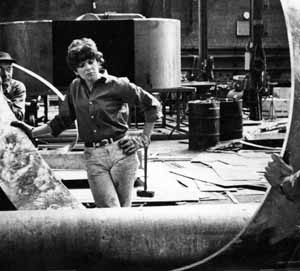

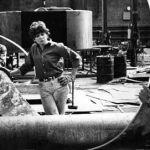
Beverly Pepper’s artistic journey is a testament to her relentless pursuit of innovation and her profound impact on the world of contemporary sculpture. Born in Brooklyn in 1922, Pepper’s early life was steeped in a vibrant cultural milieu that would later inform her artistic endeavors. Her initial foray into the arts began in the 1950s when she moved to Italy, a country whose rich artistic heritage deeply influenced her work. It was during this period that Pepper transitioned from painting to sculpture, captivated by the possibilities of three-dimensional form.
As an artist, Pepper was known for her fearless experimentation with materials. She was among the first sculptors to incorporate industrial materials such as steel, iron, and aluminum into her works, challenging traditional notions of sculpture. This innovative approach not only distinguished her from her contemporaries but also paved the way for future generations of artists to explore new mediums and techniques.
Pepper’s work was characterized by its monumental scale and its ability to engage with the environment. Her sculptures often interacted with their surroundings, creating a dialogue between the art, the viewer, and the landscape. This site-specific approach became a hallmark of her career, earning her international acclaim and solidifying her legacy as a pioneering figure in the field.
Throughout her career, Pepper drew inspiration from a myriad of sources, including ancient civilizations, modern architecture, and the natural world. Her ability to synthesize these diverse influences into cohesive and powerful works of art is a testament to her creative vision and her enduring impact on contemporary sculpture.
lasting impact on contemporary sculpture
Beverly Pepper’s legacy in contemporary sculpture is profound and multifaceted, leaving an indelible mark on the art world. As a sculptor who consistently pushed the boundaries of her craft, Pepper’s work continues to inspire and influence artists and art enthusiasts alike. Her innovative use of industrial materials such as steel and iron not only challenged the traditional boundaries of sculpture but also redefined the relationship between art and its environment. By integrating her sculptures with their surroundings, Pepper created immersive experiences that invited viewers to engage with art in new and dynamic ways.
Pepper’s influence extends beyond her artistic innovations; she played a pivotal role in elevating the status of women in the art world. At a time when female artists were often marginalized, Pepper’s success and recognition helped pave the way for future generations of women in the arts. Her work is celebrated in major museums and public spaces around the world, serving as a testament to her enduring impact and the universal appeal of her artistic vision.
The legacy of Beverly Pepper is also evident in the continued relevance of her themes and techniques. Contemporary artists draw inspiration from her fearless experimentation and her ability to blend modernity with timelessness. Her sculptures remain a source of fascination and admiration, reminding us of the power of art to transcend time and connect with audiences across generations.
As we reflect on Beverly Pepper’s contributions, it is clear that her work has left a lasting imprint on the field of contemporary sculpture. Her pioneering spirit and unwavering commitment to her craft have ensured that her legacy will continue to inspire and influence the art world for years to come.


Stay Informed With the Latest & Most Important News








Advertisement


-
 01The multifaceted career of Danny Winchell in the entertainment industry
-
 02Neil Sedaka’s Timeless Legacy Endures
-
 03John franco the history of his brooklyn and gravesend roots
-
 04New BrooklynEchoes.com Trivia Page
-
 05The History of Aida Turturro, Actress Born in Brooklyn,NY
-
 06The Rise of Alfred C. Drake in Theater and Music
-
 07The Early Career of James Van Patten and His Rise to Fame