

Now Reading: Celebrating Bern Nadette Stanis, A Brooklyn icon and poet-best known for playing Thelma Ann Evans-Anderson on the CBS sitcom Good Times
-
01
Celebrating Bern Nadette Stanis, A Brooklyn icon and poet-best known for playing Thelma Ann Evans-Anderson on the CBS sitcom Good Times

Celebrating Bern Nadette Stanis, A Brooklyn icon and poet-best known for playing Thelma Ann Evans-Anderson on the CBS sitcom Good Times

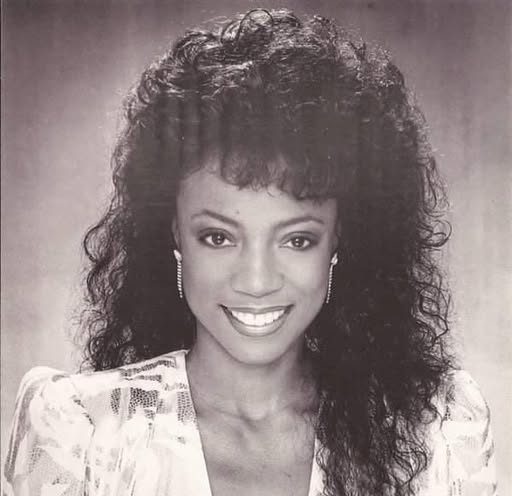

Bern Nadette Stanis was born on December 22, 1953, in Brooklyn, New York, a vibrant borough that would serve as the backdrop for her early years and the foundation of her artistic journey. Growing up in a bustling neighborhood, Stanis was surrounded by the rich tapestry of cultures and stories that Brooklyn had to offer. This environment, coupled with her family’s encouragement, nurtured her innate talent for the arts. From a young age, she displayed a passion for performance and creativity, often participating in local talent shows and school plays, where her natural charisma and talent began to shine.
Her path to stardom was paved with determination and a relentless pursuit of her dreams. Stanis attended the prestigious Juilliard School, where she honed her craft and developed the skills that would later captivate audiences nationwide. It was during this time that she discovered her love for poetry, a form of expression that would remain close to her heart throughout her life. Her poetic inclinations would later manifest in her published work, “For Men Only,” showcasing her versatility as an artist.
In 1974, Bern Nadette Stanis landed the role that would catapult her to fame and make her a household name: Thelma Ann Evans-Anderson on the CBS sitcom “Good Times.” Her portrayal of Thelma, the smart, witty, and ambitious daughter of the Evans family, resonated with viewers and established her as a beloved figure in television history. Little did she know that this role would not only define her career but also leave an indelible mark on the cultural landscape of the time.
As Stanis transitioned from her Brooklyn roots to the bright lights of Hollywood, she carried with her the values and experiences that shaped her. Her journey from a young girl with big dreams to a celebrated actress and author is a testament to her talent, resilience, and the enduring influence of her Brooklyn upbringing.
the legacy of thelma: impact on television and culture
The character of Thelma Ann Evans-Anderson, as portrayed by Bern Nadette Stanis, became a cultural touchstone in the 1970s, significantly impacting television and the broader cultural landscape. Thelma was not just another character on a popular sitcom; she was a groundbreaking representation of a young African American woman who was intelligent, articulate, and ambitious. At a time when television was predominantly dominated by white narratives, Thelma stood out as a refreshing and empowering figure for audiences of color.
Stanis brought depth and authenticity to Thelma, making her relatable to viewers who saw themselves in her struggles and triumphs. Thelma’s character was a departure from the often one-dimensional portrayals of African American women on television at the time. She was a college-bound teenager with dreams and aspirations, reflecting the real-life experiences and ambitions of many young women across America. This portrayal helped to challenge and change the narrative around African American families on television, presenting them as complex, multi-dimensional, and deserving of the same depth and respect as their white counterparts.
The impact of Thelma’s character extended beyond the screen, influencing societal perceptions and encouraging conversations about race, gender, and equality. Stanis’s performance resonated with audiences, inspiring young women to pursue their dreams and assert their voices in a world that often marginalized them. Thelma became a symbol of empowerment and progress, encouraging viewers to challenge stereotypes and advocate for representation in media.
Moreover, the cultural significance of “Good Times” and Thelma’s character continues to be felt today. The show paved the way for future television programs that sought to portray African American families and individuals in a more nuanced and realistic light. Stanis’s portrayal of Thelma remains an enduring legacy, reminding us of the power of television to reflect and shape societal values.
In essence, Bern Nadette Stanis, through her role as Thelma, contributed to a pivotal moment in television history, leaving an indelible mark

Related Posts



Stay Informed With the Latest & Most Important News
Previous Post
Next Post
Previous Post
Next Post







Advertisement


-
 01The multifaceted career of Danny Winchell in the entertainment industry
-
 02Neil Sedaka’s Timeless Legacy Endures
-
 03John franco the history of his brooklyn and gravesend roots
-
 04New BrooklynEchoes.com Trivia Page
-
 05The History of Aida Turturro, Actress Born in Brooklyn,NY
-
 06The Rise of Alfred C. Drake in Theater and Music
-
 07The Early Career of James Van Patten and His Rise to Fame