
Now Reading: Trina Parks’ Early Life and Influences
-
01
Trina Parks’ Early Life and Influences


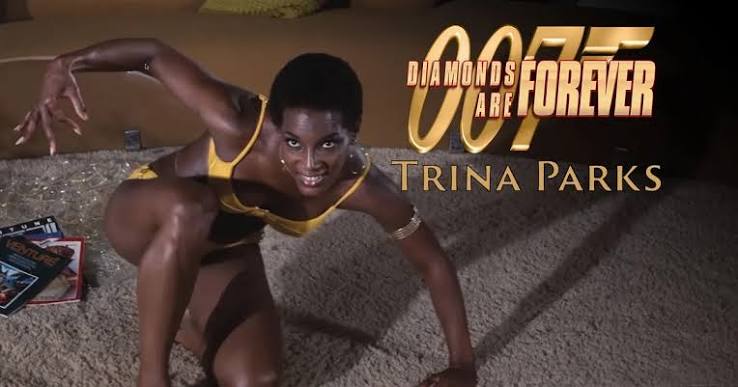

Trina Parks, born in 1946, emerged from a rich tapestry of cultural and familial influences that shaped her trajectory in the arts. Her early life in Brooklyn was steeped in a vibrant community that celebrated creativity and expression. Growing up in a family that valued the arts, Parks was surrounded by music, dance, and theatrical performances, which were integral parts of her upbringing. Her parents, both avid supporters of the arts, provided an environment that nurtured her burgeoning talents. This familial support was pivotal in Parks’ development, as it allowed her to explore and hone her skills from a young age. The diverse cultural landscape of Brooklyn further enriched her experiences, exposing her to a variety of artistic styles and traditions. This eclectic mix of influences laid the foundation for her future endeavors in the performing arts, setting the stage for a career that would break barriers and inspire future generations.
early artistic inspirations
Trina Parks’ early life was a mosaic of artistic inspirations that would come to define her career. Growing up in Brooklyn during the late 1940s and 1950s, she was immersed in a world where art was not just appreciated but celebrated as a vital part of community life. The streets of Brooklyn, bustling with cultural diversity, offered a rich tapestry of sounds and sights that captivated her young imagination. Music was a constant companion in Parks’ early life, with jazz and blues wafting through the neighborhood, influencing her artistic sensibilities.
Her first forays into dance were inspired by the local performances she attended with her family. These experiences were not just entertainment; they were educational, providing her with a firsthand look at the power of movement and expression. Parks was particularly drawn to the energy and rhythm of jazz dance, which resonated with the vibrant spirit of her surroundings. She began to mimic the steps she saw, practicing tirelessly to perfect her technique.
In addition to dance, Parks was influenced by the theatrical performances she witnessed in the community. The storytelling and drama of theater fascinated her, igniting a passion for performance that would later become a hallmark of her career. Her early exposure to a variety of artistic forms allowed her to develop a unique style that blended elements of dance, music, and theater.
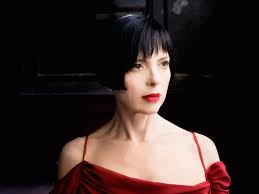
The encouragement from her family to pursue her interests was instrumental in Parks’ artistic development. They recognized her talent and provided opportunities for her to explore it further, enrolling her in dance classes and supporting her attendance at performances. This nurturing environment was crucial, as it gave Parks the confidence to pursue a career in the arts, knowing she had a strong foundation and support system behind her. She is best known for playing Thumper in the 1971 James Bond film Diamonds Are Forever, making her the first African American woman to appear in a James Bond movie
As Parks grew older, her early artistic inspirations continued to influence her work, driving her to push boundaries and explore new forms of expression. Her experiences in Brooklyn laid the groundwork for a career that would not only showcase her talents but also challenge and redefine the roles available to African American women in the performing arts.

Related Posts
Stay Informed With the Latest & Most Important News
Previous Post
Next Post







Advertisement


-
 01The multifaceted career of Danny Winchell in the entertainment industry
-
 02Neil Sedaka’s Timeless Legacy Endures
-
 03John franco the history of his brooklyn and gravesend roots
-
 04New BrooklynEchoes.com Trivia Page
-
 05The History of Aida Turturro, Actress Born in Brooklyn,NY
-
 06The Rise of Alfred C. Drake in Theater and Music
-
 07The Early Career of James Van Patten and His Rise to Fame