




Now Reading: The Journey of Alan Peter Kuperschmidt: Al Kooper’s Musical Impact
-
01
The Journey of Alan Peter Kuperschmidt: Al Kooper’s Musical Impact


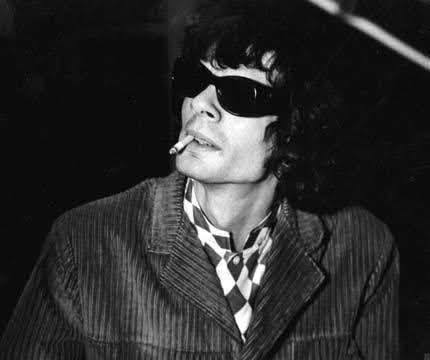

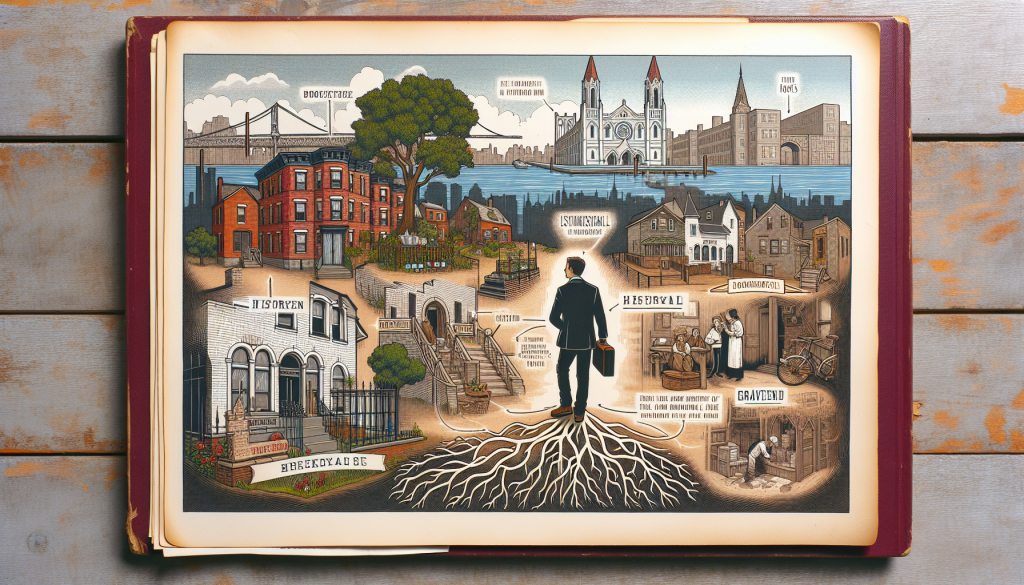
Al Kooper, originally born Alan Peter Kuperschmidt, grew up in the vibrant cultural landscape of Brooklyn, which played a significant role in shaping his unique musical identity. During his formative years, the eclectic mix of sounds ranging from jazz to rock ‘n’ roll served as a rich tapestry of inspiration for the budding musician. Legendary artists such as Ray Charles and Elvis Presley sparked Kooper’s passion for music, driving him to pursue his dreams relentlessly. His early exposure to the diverse musical styles of the 1950s and 60s allowed him to develop a deep appreciation for the art, which would later influence his career as a songwriter and producer. As Kooper honed his craft, he drew from these early influences to forge a distinctive sound that would have a lasting impact on the music industry. His Brooklyn upbringing, coupled with his innate talent, laid the foundation for a journey that would see him redefine the boundaries of contemporary music, leaving an indelible mark on generations of musicians and fans alike. Through his work, Al Kooper demonstrated that inspiration can be found in the most unexpected places, and his ability to synthesize these diverse influences into a cohesive artistic vision underscores his significant musical impact.
the creation of iconic sounds
Alan Peter Kuperschmidt, known professionally as Al Kooper, is renowned for his signature contributions to creating some of music’s most iconic sounds. His journey from a Brooklyn dreamer to an influential musician and producer is characterized by moments of profound creativity and collaboration. One of Kooper’s pivotal achievements was his role in transforming Bob Dylan’s work, particularly through his contributions to the groundbreaking album “Highway 61 Revisited.” His spontaneous decision to play the Hammond organ on “Like a Rolling Stone” has become legendary in music history, showcasing his keen ear for innovation and his ability to elevate a track with subtle yet powerful enhancements.
Kooper’s skill as a songwriter and producer enabled him to seamlessly merge disparate musical elements, forging a unique sound palette that resonated with audiences and critics alike. This was further exemplified in his formation of the band Blood, Sweat & Tears. Under Kooper’s leadership, the band successfully blended rock with jazz, creating a fresh and dynamic sound that would go on to influence countless artists across genres. Although Kooper only stayed with the band for their debut album, his vision left an indelible mark on their music and the music of that era.
His work on albums such as The Rolling Stones’ “Let It Bleed” and his enduring partnership with artists like Mike Bloomfield showcased Kooper’s versatility and his relentless pursuit of innovative musical expressions. Whether infusing complex arrangements with emotional nuance or experimenting with unconventional instrumentation
legacy and continued influence
Al Kooper, originally Alan Peter Kuperschmidt, continues to cast a long shadow over the music world, influencing both contemporaries and emerging artists who recognize the subtleties of his creative genius. A celebrated musician, songwriter, and producer, Kooper’s work has sparked innovation across various genres, echoing the legacy of his eclectic beginnings in Brooklyn. His contributions, such as the unforgettable organ on “Like a Rolling Stone,” have transcended their initial context to become touchstones of musical excellence for subsequent generations. His ability to blend styles and craft iconic sounds serves as a roadmap for artists eager to push the boundaries of their own musical landscapes.
Kooper’s geographic and artistic journeys took him through groundbreaking avenues, intertwining rock, jazz, folk, and blues into a future-facing soundscape that remains relevant today. His influence extends well beyond the confines of his own work; countless musicians cite Kooper as a pivotal influence owing to his innovative production techniques and deft compositional skills. The respect he commands is built on more than his contributions as a musician; it is reinforced by his commitment to authenticity and his fearless pursuit of new artistic territories.
Whether through mentorship or music, Kooper’s dedication to fostering creativity is evident. Artists exploring new sounds find inspiration in his legacy and are empowered to explore the kind of genre-blending and reinvention that Kooper himself championed. The energy and creativity that marked his early career in Brooklyn continue to ripple through the ages.

Related Posts


Stay Informed With the Latest & Most Important News
Previous Post
Next Post







Advertisement


-
 01The multifaceted career of Danny Winchell in the entertainment industry
-
 02Neil Sedaka’s Timeless Legacy Endures
-
 03John franco the history of his brooklyn and gravesend roots
-
 04New BrooklynEchoes.com Trivia Page
-
 05The History of Aida Turturro, Actress Born in Brooklyn,NY
-
 06The Rise of Alfred C. Drake in Theater and Music
-
 07The Early Career of James Van Patten and His Rise to Fame