


Now Reading: The Rise of Alfred C. Drake in Theater and Music
-
01
The Rise of Alfred C. Drake in Theater and Music


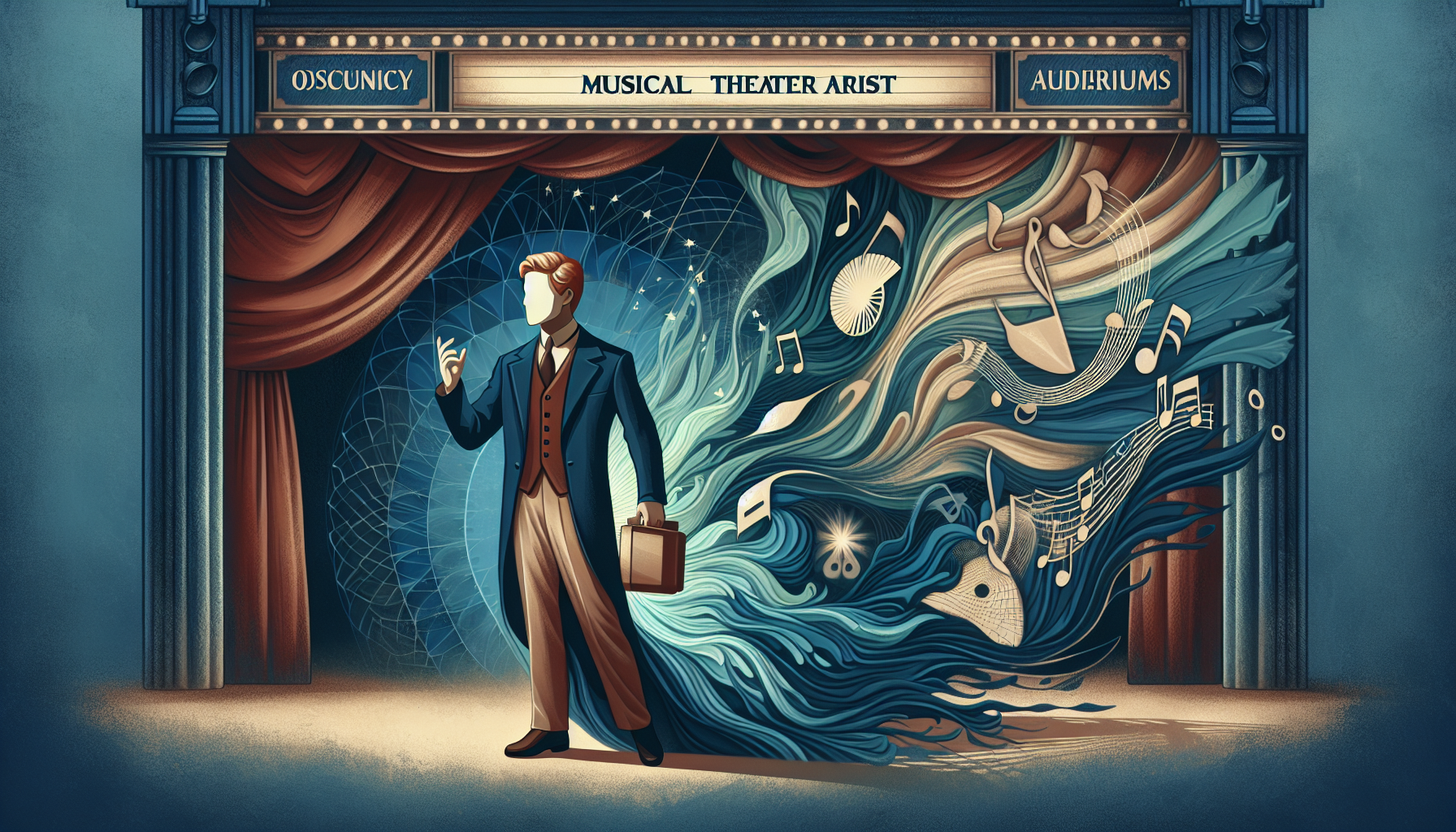

 Alfred C. Drake’s impact on American theater is nothing short of monumental, forever altering the landscape of Broadway and setting a standard for generations of performers that followed. Born in Brooklyn, he took the stage by storm in the mid-20th century, showcasing a blend of unparalleled vocal talent and dramatic prowess that captivated audiences across the nation. As one of the pioneering figures in musical theater, Drake not only starred in iconic productions but also shaped the very essence of performance artistry, leaving a legacy that still resonates today.
Throughout his career, Drake broke barriers and expanded the possibilities within American theater. He was a trailblazer, moving effortlessly between various genres, demonstrating extraordinary versatility as both an actor and a singer. From his early days, it was evident that he possessed a unique charisma, winning the hearts of theatergoers and critics alike. He introduced a new era of Broadway performances characterized by emotional depth and vocal excellence.
Drake’s most notable achievements came during an exciting period for American theater, particularly during the rise of the musical genre. His rich baritone voice and dynamic stage presence not only drew audiences in but also inspired a wave of performers who sought to emulate his success. His performances set benchmarks in stagecraft, encompassing a powerful mix of classical training and spontaneous expression that would influence a multitude of artists.
In productions such as “Oklahoma!” and “Kiss Me, Kate,” Drake not only rendered unforgettable performances but also helped elevate the overall quality of musical theater on Broadway. These roles
Early life and education
Alfred C. Drake, Brooklyn born and raised, had a childhood that paved the way for his illustrious future as a celebrated actor and singer. Growing up in the lively atmosphere of Brooklyn, particularly in neighborhoods like Park Slope, Drake was immersed in a vibrant cultural scene that would greatly influence his artistic journey. His family nurtured a love for the arts, providing him with the encouragement and support necessary to cultivate his innate talents.
From a young age, Drake exhibited a passion for music and performance. His early exposure to theater was marked by community productions and school plays, where he began to hone his craft and develop a distinct stage presence. Surrounded by the rich artistic heritage of Brooklyn, including its thriving music and theater communities, he found inspiration in local performances and musicians. This early connection to the arts in his hometown undoubtedly played a crucial role in shaping his ambitions.
Drake’s education further solidified his path toward greatness. He attended the prestigious University of Miami, where he studied music and drama. This formative period allowed him to explore his vocal abilities and theatrical skills under the guidance of talented instructors. His time at university was not just about academic learning; it was also a time of emotional growth, as he began to understand the power of storytelling through performance. Did we mention that his early influences included the likes of Broadway legends? These iconic figures motivated him to aspire to greatness.
After completing his studies, Drake returned to Brooklyn, where he began to make a name for himself in local theater
Breakthrough performances
1. Following his educational journey, Alfred C. Drake swiftly entered the spotlight, and his early career is marked by several breakthrough performances that solidified him as a prominent figure in American theater. His first major role came in 1943 when he secured the part of Curly McLain in the groundbreaking musical “Oklahoma!” This performance was a true game-changer, earning him widespread acclaim and marking his official arrival on Broadway. His portrayal of Curly, infused with sincerity and charm, established a new standard for leading roles in musical theater.
2. In 1948, Drake reached new heights with his performance in “Kiss Me, Kate,” where he played the role of Fred Graham. The production, a remarkable adaptation of Shakespeare’s “The Taming of the Shrew,” allowed Drake to showcase not only his exceptional vocal talent but also his comedic flair. His ability to seamlessly blend humor and heart struck a chord with audiences, leading to a Tony Award for Best Actor in a Musical. The success of “Kiss Me, Kate” cemented his reputation as a versatile actor who could thrive in both dramatic and comedic settings.
3. Another significant milestone occurred when Drake was cast in the 1954 revival of “Oklahoma!” This return solidified his status in the theater community, enabling him to explore the depths of Curly’s character with even more maturity and nuance. Audiences marveled at his growth as an actor and singer, further establishing him as a household name
Contribution to musical theater
Alfred C. Drake’s contributions to the musical theater landscape were nothing less than transformative. His ability to fuse drama with song elevated the standards of Broadway performances, allowing for a richer, more immersive experience for audiences. As one of the early stars of American musical theater, Drake reshaped how stories were told on stage, introducing a level of artistry that had a profound impact on subsequent generations of performers.
Drake’s vocal prowess was a significant element of his legacy in musical theater. His deep baritone voice resonated with warmth and passion, captivating audiences across the nation. In productions like “Oklahoma!” and “Kiss Me, Kate,” his performances were infused with emotional depth, reaffirming the belief that music could convey complex narratives and feelings. The character of Curly McLain in “Oklahoma!” became synonymous with Drake, as he not only sang the show-stopping numbers but also brought to life Curly’s spirited personality, embodying the quintessential American hero with charisma and heart.
Beyond his iconic roles, Drake was instrumental in pioneering the concept of the multi-faceted artist on Broadway. At a time when the lines between acting and singing were often drawn sharply, he blurred those boundaries effortlessly. This holistic approach set new benchmarks, inspiring a generation of artists to embrace versatility. His performances displayed a theatricality that was both sincere and engaging, encouraging fellow actors to explore their own artistic boundaries.
Moreover, Drake’s influence wasn’t solely confined to his own performances; he was also
Legacy and influence on future artists
Alfred C. Drake’s legacy looms large in the heart of American theater, as his contributions have not only enriched the industry but also paved the way for aspiring artists of all backgrounds. His influence extends beyond the stage, permeating the very fabric of Broadway itself, inspiring countless performers who follow in his footsteps. Artists today often cite him as a pivotal figure in establishing the standard for excellence in musical theater, blending powerful singing with remarkable acting.
Drake’s storied career showcases the importance of authenticity and emotional connection in performances—a philosophy that is now fundamental for actors and singers alike. His commitment to truth in character portrayal set a precedent that echoes through to modern productions. Oh, and did we mention he was one of the first to seamlessly integrate emotional storytelling into musical performances? This revolutionary approach not only enhanced the storytelling aspect of theater but also encouraged a more profound connection between the audience and the performer.
The impact of Drake’s work continues to resonate, serving as a source of inspiration for many emerging talents in the theater community. Educational institutions and performing arts programs honor his techniques and styles in workshops and curriculums, emphasizing the balance of musicality and acting he exemplified. Many artists credit him as a driving force behind their passion for the craft, showcasing how one individual can ignite a spark that fuels a movement.
Through his iconic roles, including Curly in “Oklahoma!” and Fred in “Kiss Me, Kate,” Drake left an indelible mark on the characters he portrayed

Related Posts


Stay Informed With the Latest & Most Important News
Previous Post
Next Post
Previous Post

Next Post



Advertisement


-
 01The multifaceted career of Danny Winchell in the entertainment industry
 -
 02A Deep Dive into the Life and Legacy of Stuart L. Sternberg
 -
 03Neil Sedaka’s Timeless Legacy Endures
 -
 04John franco the history of his brooklyn and gravesend roots
 -
 05The History of Aida Turturro, Actress Born in Brooklyn,NY
 -
 06New BrooklynEchoes.com Trivia Page
 -
 07The Rise of Alfred C. Drake in Theater and Music