




Now Reading: The Architectural Journey of George H. Streeton from Brooklyn
-
01
The Architectural Journey of George H. Streeton from Brooklyn




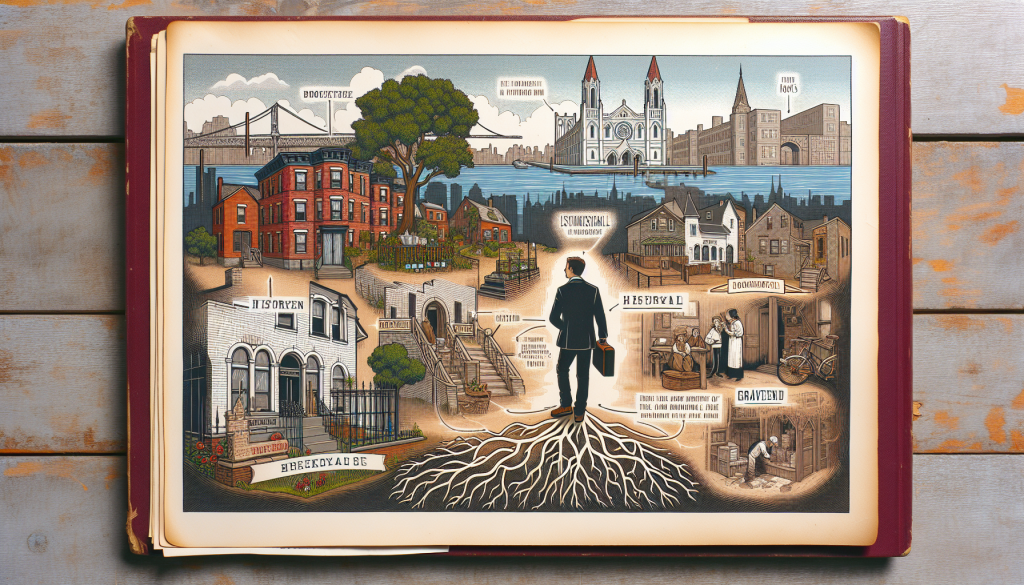
 George H. Streeton drew inspiration from a rich tapestry of architectural styles and movements that permeated his upbringing in Brooklyn. Growing up in a borough famed for its eclectic mix of cultures and historical significance, Streeton was captivated by the grand brownstones of Park Slope and the innovative designs peppered throughout Brooklyn’s neighborhoods. Influenced by the Beaux-Arts style that dominated early 20th-century architecture, he melded classical elements with a modern sensibility, creating a distinctive voice in his own work.
Brooklyn’s diverse architectural landscape not only inspired Streeton’s aesthetic choices but also shaped his philosophical approach to design. From the intricate facades of the Brooklyn Academy of Music to the utilitarian structures found in industrial hubs like Gowanus, each building told a story that informed Streeton’s vision. He often referenced the importance of blending new designs with the historical context of their surroundings, ensuring that each project honored the legacy of Brooklyn’s architectural heritage.
Streeton’s early mentors, both at home and in his studies, emphasized the importance of community and the environment in architecture. He was notably influenced by celebrated local architects who championed designs that reflected the community’s identity and, as he matured in his career, he adopted this ethos. He believed that true architectural innovation could only come from an understanding and respect for the space being transformed, a philosophy that became a hallmark of his work throughout his lifetime.
With his roots firmly planted in Brooklyn, Streeton’s aesthetic mirrored the vibrant neighborhoods he called home. His designs reflected a blend of resilience and creativity, drawing upon both the gritty industrial elements and the lush green spaces that characterize the borough. This duality not only shaped his early projects but also laid the foundation for what would become a prolific career in architecture, marked by an enduring connection to the essence of Brooklyn itself.
As Streeton progressed, his travels and exposures to global architectural movements continued to expand his influences. However, no matter where he went, he carried with him the lessons learned from the streets of Brooklyn, forever shaping his distinctive architectural lens.
Brooklyn’s role in Streeton’s career
From the moment George H. Streeton embarked on his architectural journey, the vibrant essence of Brooklyn played a pivotal role in shaping his career. This borough, with its rich cultural tapestry and diverse architectural styles, offered both the backdrop and the springboard for his professional endeavors. With each new project, Streeton not only contributed to the evolution of Brooklyn architecture but also honored its historical significance, creating a legacy that resonated far beyond the confines of the borough.
Brooklyn’s role in Streeton’s career can be traced through numerous key milestones, where the local landscape significantly influenced his designs. For instance, the transition from the traditional brownstones of Park Slope to the post-industrial developments in areas like Gowanus mirrored the broader metamorphosis of Brooklyn itself. This dynamic atmosphere challenged and inspired Streeton to adopt a more innovative approach, encouraging him to incorporate elements from his surroundings in each of his creations.
1. Early Involvement in Community Projects: Streeton’s architectural career began with participation in local community projects in the early 2000s. His work on affordable housing initiatives showcased his commitment to melding form and function, ensuring that every new structure was a reflection of the community’s needs.
2. Recognition of Local Heritage: In 2005, he received accolades for his design of a cultural center in East New York, which not only preserved the area’s historical aesthetic but also served as a hub for the local community. This project solidified his reputation for creating spaces that resonated with Brooklyn history and the stories of its residents.
3. Innovative Designs in a Changing Landscape: By the late 2010s, George H. Streeton had transformed former industrial sites into vibrant mixed-use spaces, embracing the Brooklyn renaissance. His award-winning design of a waterfront development in Red Hook epitomized his ability to blend modern architecture with the area’s maritime heritage, earning him further recognition in architectural circles.
4. Global Recognition and Continued Ties: Over the years, Streeton’s work garnered international acclaim, yet he remained committed to his Brooklyn roots. His involvement in various local architectural boards and nonprofits exemplified his desire to give back to the community that shaped him.
Brooklyn’s influence on George H. Streeton’s career is evident not just in the projects he has completed, but also in the way he approaches design. He constantly emphasizes the importance of understanding the context in which a building stands. This respect for place, culture, and history has become a signature characteristic of his body of work, making him one of the borough’s most beloved architects.
Streeton’s designs continue to echo the vibrant life of Brooklyn, imbuing residential buildings, public structures, and commercial spaces with a sense of place that celebrates their environment. Beyond aesthetics, he has instilled a framework of sustainability and community engagement into his designs, proving that architecture is not just about creating buildings, but about crafting experiences that resonate with those who inhabit them.
With every project, George H. Streeton has not only elevated his stature in the field of architecture but has also ensured that Brooklyn remains at the heart of his narrative, a testament to the profound connections between a place and its most ardent creators.
Share your thoughts in the comments!
Explore more about [Brooklyn's Architectural Treasures] and dive deeper into [Influential Architects from Brooklyn]. Check out related articles like [The Evolution of Brooklyn's Skyline], [Architectural Legends: A Tribute], and [How Community Shapes Design].
Key projects and designs by Streeton
1. Streeton’s design of the Brooklyn Arts Plaza in 2010 stands as a testimony to his visionary approach, transforming an underutilized lot in Downtown Brooklyn into a thriving public space that fosters community engagement and artistic expression.
2. In 2013, he completed the Harmony Apartments, a residential project in Bedford-Stuyvesant that elegantly blends modern aesthetics with traditional Brooklyn architecture, while also incorporating sustainable features and community amenities, reflecting the growing importance of eco-conscious design in urban settings.
3. The 2015 redevelopment of the historic Long Island Rail Road depot into a mixed-use cultural center further highlights Streeton’s commitment to preserving Brooklyn history while catering to contemporary needs. This project not only revitalized a landmark but also became a bustling hub of activity for local residents and visitors alike.
4. In 2018, he received the prestigious AIA New York Chapter Design Award for his innovative design of the Greenpoint Waterfront Park, a project that reconnected the community with its natural surroundings while incorporating landscape architecture to enhance the user experience.
5. His contributions to Brooklyn architecture continued with the launch of the Brooklyn Collaborative, a nonprofit aimed at fostering collaborative design projects within the borough. This initiative demonstrated his dedication to mentoring emerging architects and fostering a spirit of shared creativity.
6. Streeton’s ongoing involvement in community workshops and public forums reflects his belief that architecture should serve the people. His constant interaction with local stakeholders ensures that the voices of Brooklyn residents are incorporated into the design process, creating structures that authentically represent their aspirations and needs.
Each of these key projects not only embodies George H. Streeton’s innovative approach to architecture but also exemplifies his deep-rooted connection to Brooklyn. With every building, he retains a sense of the historical significance of the sites while simultaneously embracing the future of design. As Streeton continues to push the boundaries of contemporary architecture, his impact on the Brooklyn skyline and community fabric will undoubtedly endure for generations to come.
Share your thoughts in the comments!
Explore more about [Brooklyn’s Architectural Treasures] and dive deeper into [Influential Architects from Brooklyn]. Check out related articles like [The Evolution of Brooklyn’s Skyline], [Architectural Legends: A Tribute], and [How Community Shapes Design].
Legacy and impact on modern architecture
The impact of George H. Streeton on modern architecture is both profound and multifaceted, intertwining his innovative designs with the rich legacy of Brooklyn history. As an architect, Streeton has not only redefined the skyline of the borough but has also instilled a sense of community and identity in his projects, ensuring that each structure resonates with the surroundings and honors the past.
One of the key aspects of his legacy is his focus on community-oriented design, which manifests in a variety of ways:
– Integration of Historical Context: Streeton is known for his ability to harmonize contemporary architecture with the historical significance of Brooklyn’s neighborhoods. His designs often reflect the character of the surrounding area, creating a seamless blend that respects both old and new. Projects like the redevelopment of the Long Island Rail Road depot showcase this commitment, marrying modern functionality with historical preservation.
– Sustainable Practices: As a forward-thinking architect, Streeton has placed sustainability at the forefront of his design philosophy. By incorporating eco-friendly materials and energy-efficient systems in projects like Harmony Apartments, he not only addresses contemporary environmental concerns but also sets a standard for future developments in Brooklyn and beyond. This commitment to sustainability has inspired a new generation of architects to prioritize ecological considerations in their work.
– Community Engagement: Streeton’s approach to architecture emphasizes the importance of community dialogue and involvement. He actively seeks input from local residents, ensuring that their voices are heard in the design process. This participatory approach has resulted in projects that not only meet aesthetic standards but also fulfill the actual needs and desires of the community, thereby enhancing the quality of life for those who inhabit the spaces he creates.
– Mentorship and Collaboration: His dedication to fostering a spirit of collaboration within the architectural community is evident through ventures like the Brooklyn Collaborative, which promotes joint projects and mentorship opportunities for budding architects. By nurturing the next generation of designers, Streeton has laid a foundation for continued innovation and creativity, ensuring that Brooklyn remains a vibrant hub of architectural exploration.
– Cultural Contributions: Streeton’s designs not only serve practical purposes but also cater to the cultural fabric of Brooklyn. Projects such as the Brooklyn Arts Plaza have transformed underutilized spaces into thriving cultural hubs that celebrate art and community interaction. These developments not only enhance local aesthetics but also engage residents and visitors in meaningful ways, enriching the cultural landscape of the borough.
In summary, George H. Streeton’s legacy is firmly rooted in his commitment to honor Brooklyn’s historical significance while pushing the envelope of modern design. His architectural philosophy—grounded in respect for community, sustainability, and cultural integration—has profoundly influenced the trajectory of contemporary architecture. As he continues to shape the future of Brooklyn architecture, his impact will undoubtedly resonate for years to come, leaving an enduring mark on both the borough and the profession at large.
Share your thoughts in the comments!
Explore more about [Brooklyn’s Architectural Treasures] and dive deeper into [Influential Architects from Brooklyn]. Check out related articles like [The Evolution of Brooklyn’s Skyline], [Architectural Legends: A Tribute], and [How Community Shapes Design].
Reflections on Streeton’s journey and philosophy
George H. Streeton’s journey through architecture is marked not only by his impressive designs but also by his deep-seated philosophy that emphasizes the essence of place and community. His reverence for Brooklyn history and culture is woven throughout his work, resulting in structures that tell stories while embodying a distinct character reflective of the neighborhoods in which they stand. Streeton’s belief that architecture should communicate with its environment has become a guiding principle throughout his career, leading him to create spaces that resonate on multiple levels.
An key aspect of Streeton’s philosophy is his commitment to dialogue with the community. By engaging local residents in the design process, he has fostered a sense of ownership and belonging, ensuring that the spaces he creates serve those who inhabit them. This participatory approach not only enhances the final product but also empowers the community, as individuals feel their input has been valued and integrated into the architectural narrative. Projects like the Brooklyn Arts Plaza stand as exemplars of this philosophy, transforming once-overlooked areas into lively gathering spots that resonate with the culture and values of the people.
Streeton also champions sustainability, believing that modern architecture must address environmental concerns while contributing positively to the community. This is evident in his designs, which integrate eco-friendly materials and energy-efficient elements, reflecting a forward-thinking approach that respects both nature and the historical significance of the built environment. The incorporation of green spaces, particularly in urban developments, showcases his dedication to quality of life and highlights the importance of connecting urban dwellers with nature.
His architectural contributions extend beyond mere aesthetics; they provide a voice for Brooklyn’s rich history and cultural identity. With an appreciation for the borough’s diverse architectural styles, Streeton’s works honor and preserve the fabric of Brooklyn. By blending contemporary designs with elements reminiscent of the past, he bridges the gap between history and modernity, crafting structures that feel both timeless and innovative.
In mentorship, Streeton actively supports aspiring architects, believing that sharing knowledge and fostering collaboration is essential for the evolution of the field. His involvement in initiatives like the Brooklyn Collaborative not only highlights his commitment to nurturing talent but also instills a collaborative spirit that encourages creative exchange among architects. This dedication to community and creativity ensures that Brooklyn’s architectural legacy will continue to thrive, inspiring future generations of designers to push boundaries.
Reflecting on George H. Streeton’s philosophy reveals a man deeply committed to weaving together his understanding of Brooklyn history with the architectural landscape of today. His works are a testament to the idea that architecture is not just about building structures, but about creating connections, preserving the past, and nurturing communities. Streeton continues to leave an indelible mark on Brooklyn architecture, creating spaces that resonate with life, culture, and history, making every project a mosaic of the borough’s unique identity.
Share your thoughts in the comments!
Explore more about [Brooklyn’s Architectural Treasures] and dive deeper into [Influential Architects from Brooklyn]. Check out related articles like [The Evolution of Brooklyn’s Skyline], [Architectural Legends: A Tribute], and [How Community Shapes Design].

Stay Informed With the Latest & Most Important News
Previous Post
Next Post




Advertisement


-
 01The multifaceted career of Danny Winchell in the entertainment industry
 -
 02A Deep Dive into the Life and Legacy of Stuart L. Sternberg
 -
 03Neil Sedaka’s Timeless Legacy Endures
 -
 04John franco the history of his brooklyn and gravesend roots
 -
 05The History of Aida Turturro, Actress Born in Brooklyn,NY
 -
 06New BrooklynEchoes.com Trivia Page
 -
 07The Rise of Alfred C. Drake in Theater and Music